Restoring Walthamstow Wetlands
Walthamstow Wetlands is one of the most significant natural assets in our borough. As London's largest urban wetland reserve, it plays a vital role in water supply, biodiversity and public access to nature. Following a programme of restoration and ecological enhancement, the site re-opened in 2017, better equipped to support wildlife, protect water resources and welcome visitors for years to come.
The restoration work builds on years of ecological monitoring and management, including detailed studies of bird populations, bat activity and habitat condition. These insights have helped shape a programme that strengthens the Wetlands’ environmental value while maintaining its role as a key operational site for London’s water infrastructure.
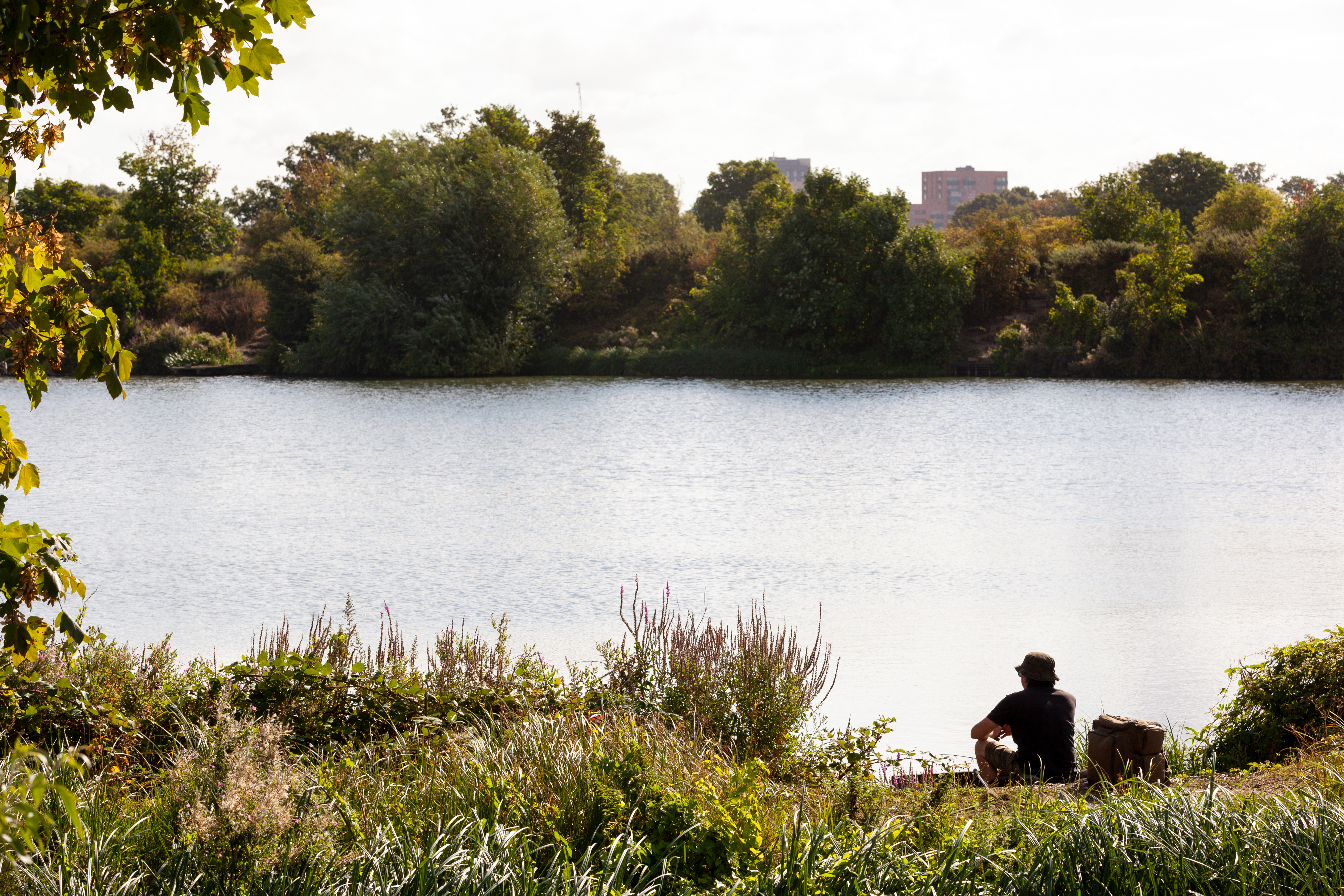 The recent restoration has made Walthamstow Wetlands significantly more accessible to the public (Source: LBWF)
 Enhancing habitats for wildlife
The Wetlands is internationally recognised for its birdlife, particularly overwintering species and breeding populations of grey heron, cormorant and tufted duck. Ecologists have long monitored these populations, and recent restoration work has focused on improving the habitats they rely on.
Key enhancements included:
- Reed bed restoration, improving breeding and feeding areas for reed warblers, bitterns and other wetland specialists,
- Management of grassland and scrub, ensuring a balanced mosaic of habitats that support insects, small mammals and ground‑nesting birds,
- Improvements to reservoir margins, creating more naturalised edges that benefit amphibians and aquatic invertebrates.
These changes are informed by ecological surveys carried out over several years, which identified where habitat quality could be strengthened. The result is a more resilient environment that supports a wider range of species throughout the year.
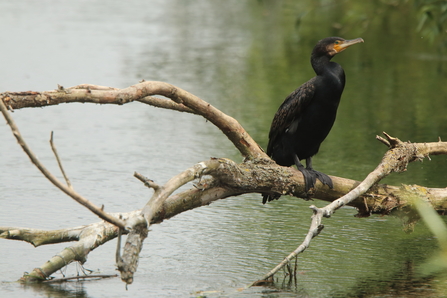 Cormorant in the Wetlands (Source: Ian Phillips)
Supporting bats and other protected species
The Wetlands is also an important site for bats, with species such as soprano pipistrelle, noctule and Daubenton’s bat recorded foraging over the reservoirs. The restoration programme has incorporated measures to support these populations, including:
- Maintaining dark corridors for bat movement,
- Enhancing insect‑rich habitats that provide feeding opportunities,
- Protecting mature trees and structures used for roosting.
These improvements reflect findings from specialist bat surveys, which highlighted the Wetlands as a valuable foraging landscape within the wider Lea Valley corridor.
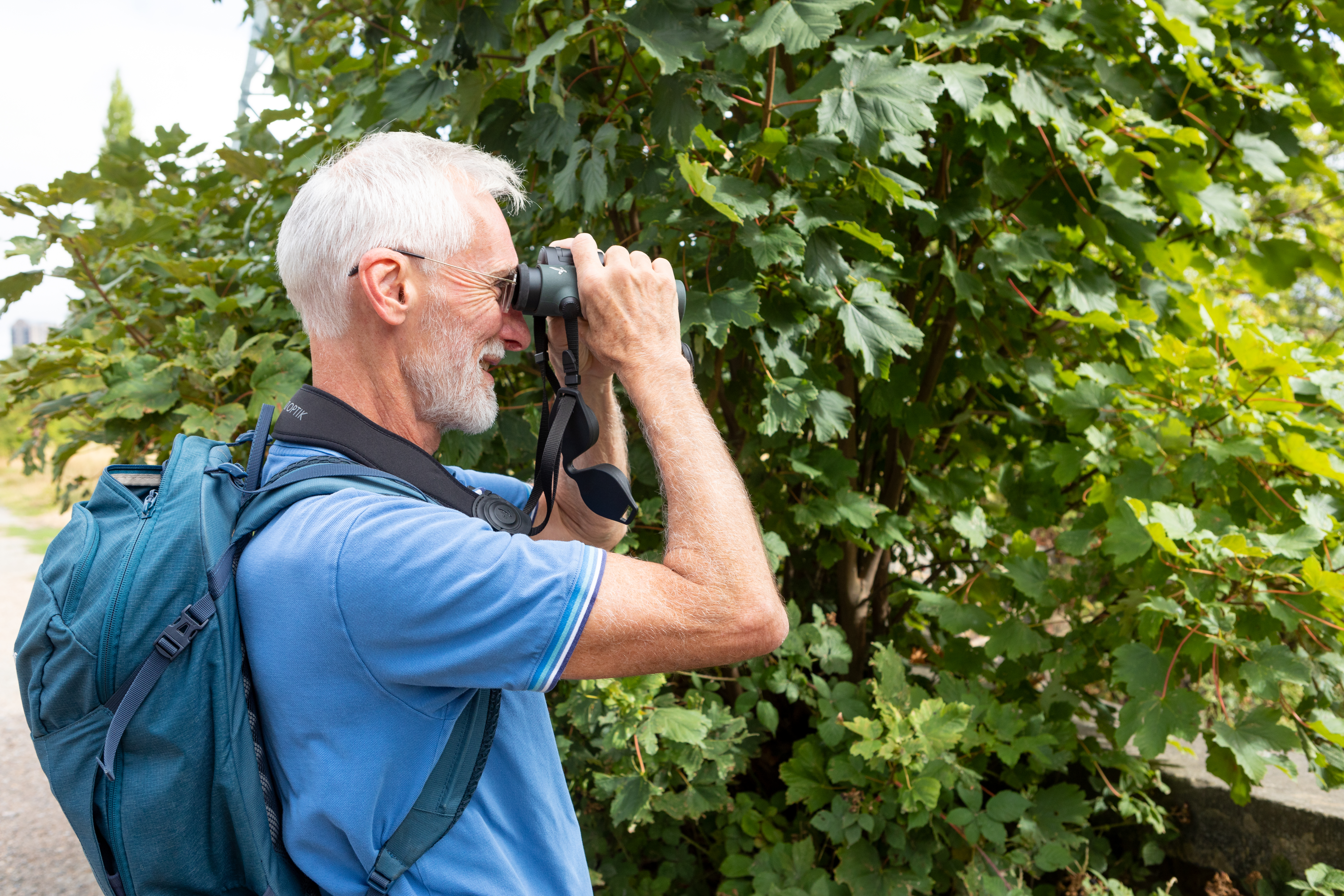 The ecological improvements have attracted many birdwatchers to the Wetlands (Source: LBWF)
Improving access and visitor experience
The Wetlands attracts thousands of visitors each week, from birdwatchers to cyclists. The Engine House, originally built in 1894, was transformed into a Visitor Centre with a café, exhibition and events space and education room and viewing terrace. The Grade II-listed Coppermill Tower was fitted with a new staircase, internal passenger lift and viewing platform.
The restoration also included improvements to:
- Pathways, making them more accessible in all seasons,
- Viewing points, offering clearer sightlines across the reservoirs,
- Interpretation boards, providing information about wildlife, history and water management.
These enhancements helped to transform the Wetlands into a vibrant and enjoyable natural space, in addition to its identity as a nature reserve and working water site.
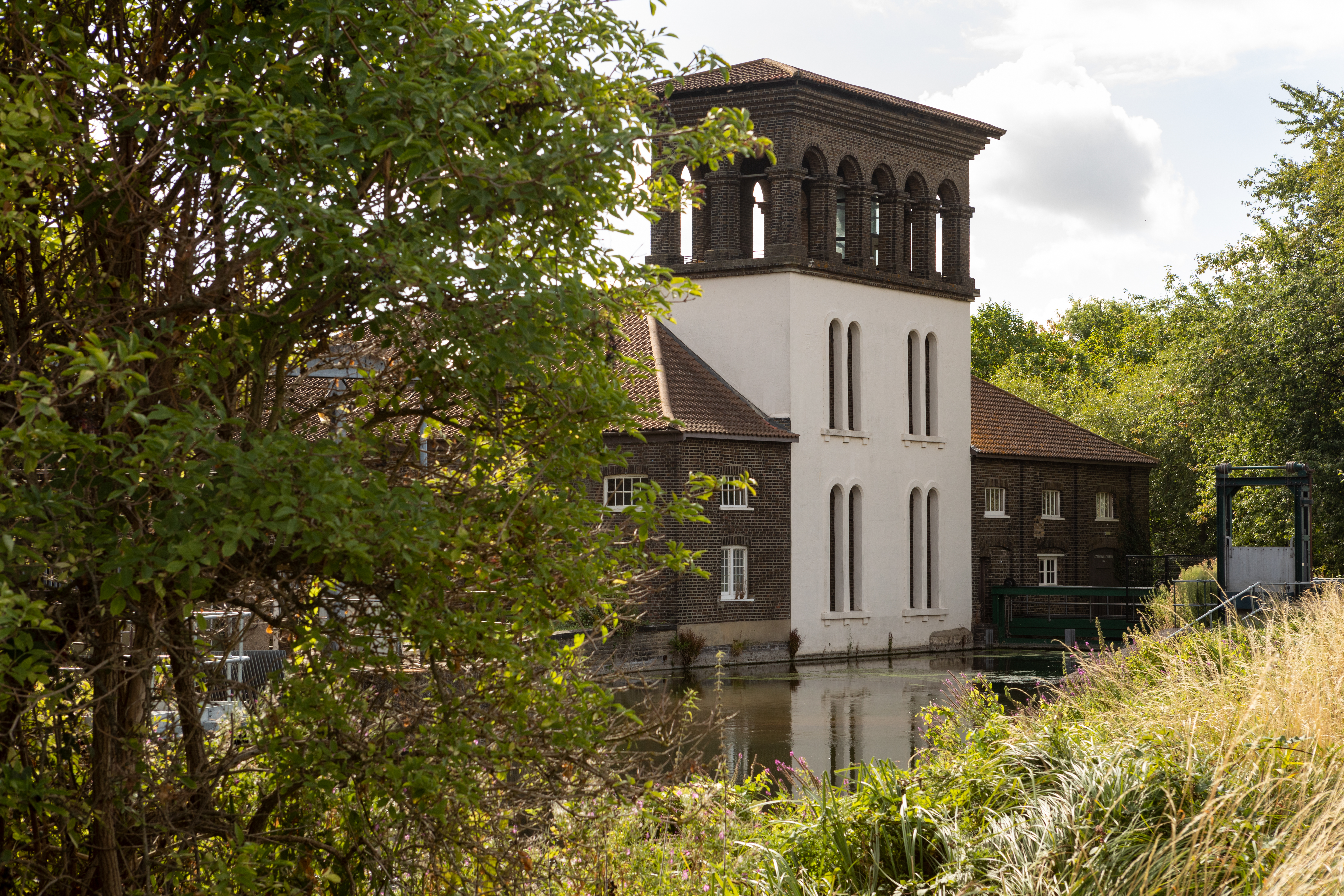 The restored Coppermill Tower provides stunning views across the wetlands and beyond (Source: LBWF)
Strengthening London’s water network
Beyond its ecological importance, Walthamstow Wetlands remains a fully operational Thames Water site. The reservoirs store and process water that supplies millions of Londoners, and the restoration project has included essential upgrades to ensure this function continues safely and efficiently.
Work has included improvements to reservoir infrastructure, water flow management and site safety. Though these upgrades are largely invisible to visitors, they are crucial to maintaining the Wetlands as both a public nature reserve and a strategic water resource.
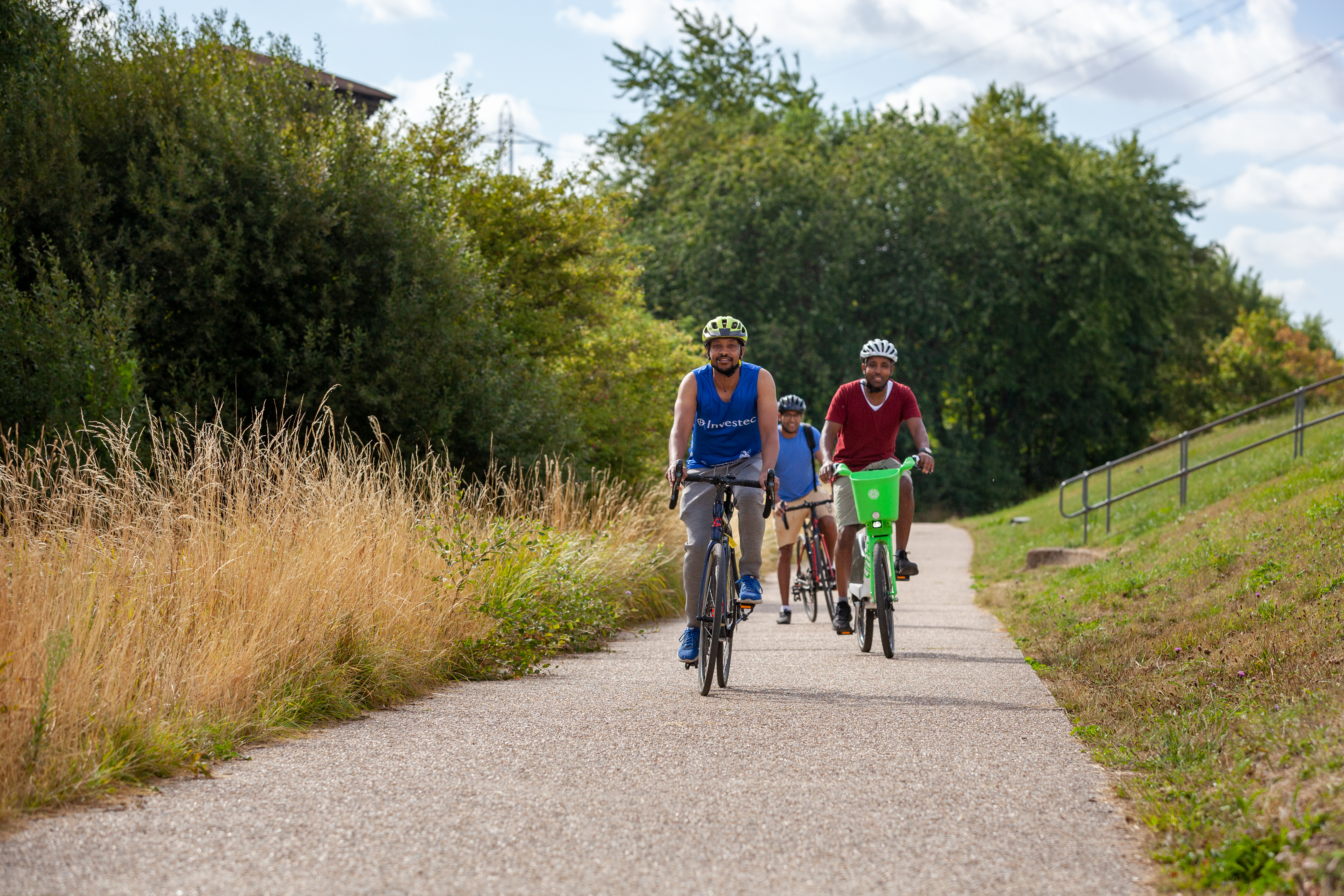 Some paths are accessible by bike, while others are for walking only, for the conservation of local wildlife (Source: LBWF)
Our commitment to conservation
The recent restoration is part of a wider, ongoing effort to manage the Wetlands sustainably. Ecological monitoring - including bird counts, bat surveys, and habitat assessments - will continue to guide future work. This evidence‑based approach ensures that conservation efforts respond to changing conditions, from climate pressures to shifts in species behaviour.
For residents, the renewed Wetlands offers an opportunity to connect with one of the borough’s most distinctive landscapes. Whether you visit regularly or are planning your first trip, the site now provides an even richer experience for all.
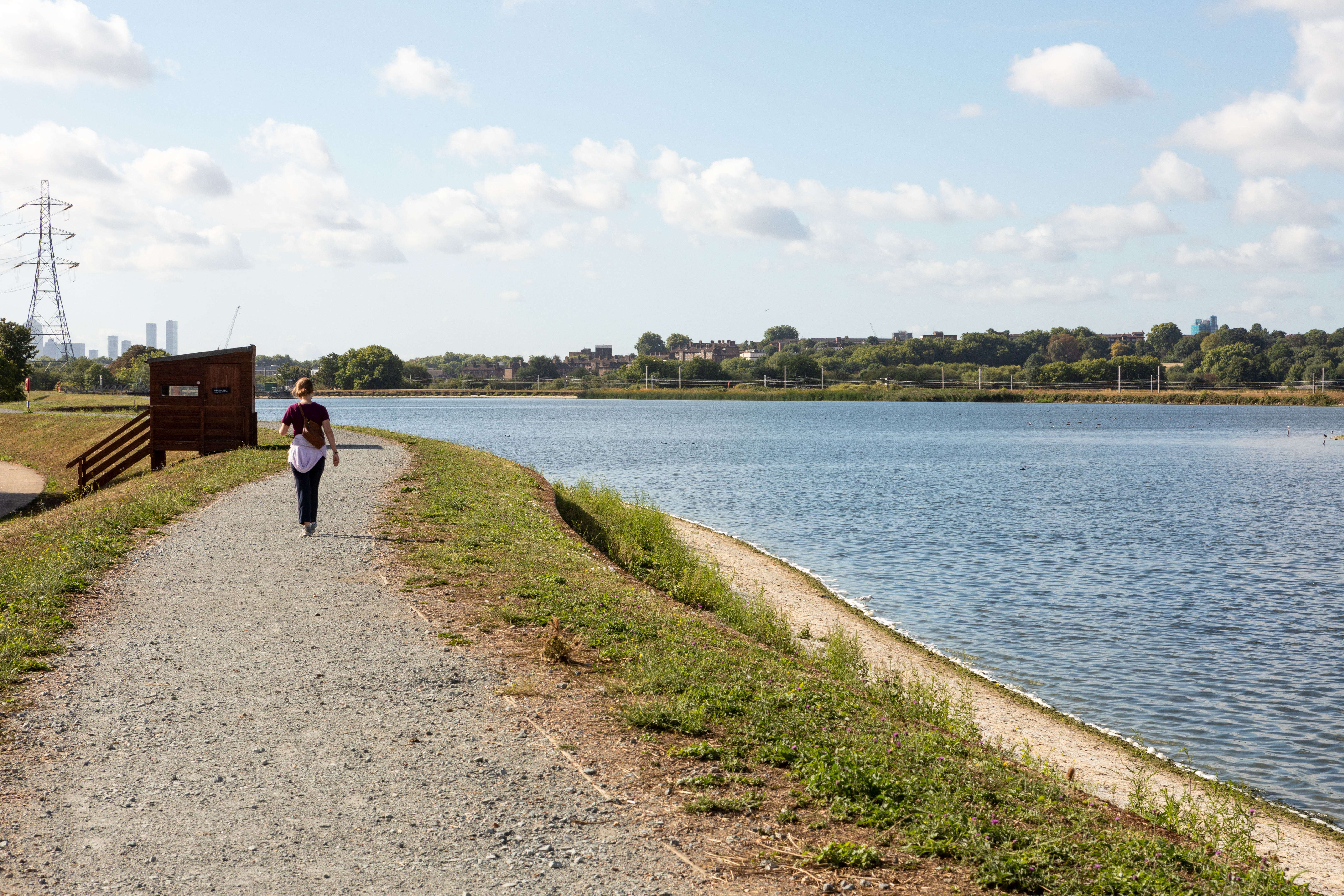 Walthamstow Wetlands is widely considered to be Europe's largest urban wetland nature reserve (Source: LBWF)