9.3 Glazing upgrades
The energy performance of a window depends on how well it stops heat from passing through. Upgrading your windows by installing double- or triple-glazing is a cost effective retrofit measure which can dramatically reduce heat loss.
In addition to improved comfort and reduced energy bills, glazing upgrades can have a number of benefits:
- Quieter homes, as secondary glazing can reduce external noise levels by up to 80%.
- Improved air tightness, reducing draughts.
- Windows with trickle vents can improve ventilation in your home.
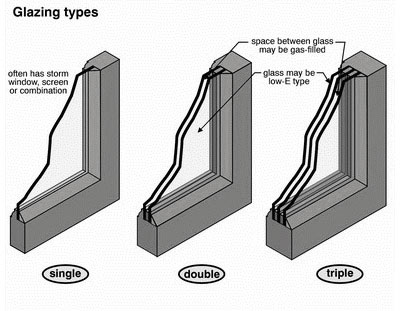 Illustrations of single, double and triple glazing
| 9.3.1 | The opportunity to reuse and upgrade original windows should be explored in the first instance.
|
|
| 9.3.2 | The building fabric around openings should always be properly sealed when windows or doors are replaced.
|
|
| 9.3.2 | It is encouraged that new and upgraded windows include trickle vents to allow ventilation, and reduce overheating and condensation.
|
|
Energy efficient glazing
Low-e glass has a thin coating of metallic oxides or silver to reduce heat transfer, helping to keep buildings warm in winter and cool in summer. Low-e glass also helps to block harmful UV radiation.
Evacuated glass is a type of vacuum-insulated glazing (VIG), which consists of two panes of glass with a vacuum in between, providing superior thermal insulation, even to triple glazing.
| 9.3.4 | Where possible, use of evacuated glass and low-e glass should be considered to improve the energy efficiency of a building or extension.
|
|
Planning permission
| 9.3.5 | For details of permitted development rights for doors and window upgrades and replacements, refer to this page on the Planning Portal. Different requirements for planning permission apply to properties in conservation areas.
|
|
| 9.3.6 | Planning permission is not normally required for glazing upgrades in houses, provided: - repairs, maintenance, and minor improvements, such as repainting window and door frames, are carried out.
- windows and doors are of a similar appearance to those used in the existing house. Please note, a new bay window will be treated as an extension and may require planning permission.
- new windows in an upper-floor side elevation are obscure-glazed, and either non-opening or at least 1.7m above floor level.
- the proposal is for internal secondary glazing.
|
|
| 9.3.7 | All proposals must adhere to building regulations, and a FENSA (Fenestration Self-Assessment) certificate will be required. |
|
| 9.3.8 | Proposals to replace windows or install secondary glazing in existing historic frames in listed buildings will also be subject to listed building consent. |
|
| 9.3.9 | Application for planning permission will be required where works are proposed to stained glass windows.
|
|
Planning requirements
| 9.3.10 | Where planning permission is required for window replacements, the following must be submitted:- 1:50 existing and proposed elevations showing position of window(s) to be replaced.
- 1:20 elevations and cross sections of each window typology.
- 1:5 section showing the position of the window in relation to the masonry.
- window product name, supplier and colours.
|
|
| 9.3.11 | For replacement door proposals, the design and materials must be appropriate for the period of the building. Where planning permission is required the following must be submitted:- 1:50 existing and proposed elevations showing position of door to be replaced.
- 1:20 existing and proposed cross sections of the door.
- 1:5 drawing of the panelling profile.
- door product name, supplier and colours.
|
|
Likelihood of approval
| 9.3.12 | For proposals to replace existing windows in listed buildings, where the replacement is like for like, closely matching the proportions and materials of the replaced window:- The replacement of non-original windows is usually acceptable.
- The replacement of original windows may be acceptable.
|
|
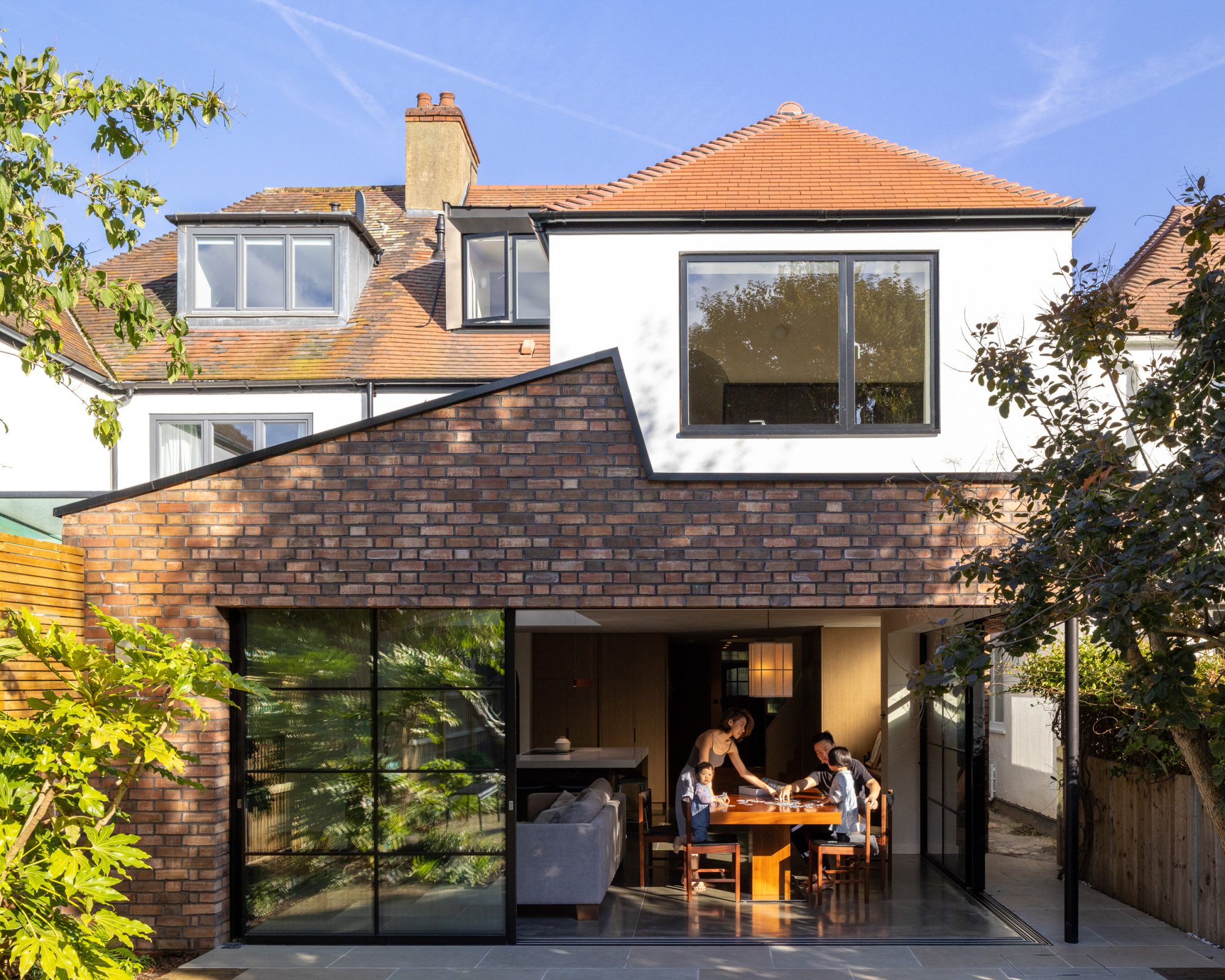 Existing windows were upgraded at the same time as adding an extension to this home in Islington, by Neil Dusheiko Architects
| Element | Heat loss reduction from baseline |
|
| Single glazing | 0% |
|
| Modern double-glazing | 91% |
|
| Slimline double-glazing | 67% |
|
| Modern triple-glazing | 88% |
|
| Modern vacuum-glazing | 88% |
|
This table shows the reduction in heat loss that can be achieved through different glazing options, indicating that the largest heat loss reduction can be achieved by upgrading single glazing to double-glazing
Solar shading
With rising global temperatures, residents of Waltham Forest are more likely to find their homes overheating during the summer months, particularly through south- and west-facing windows. Solar shading devices, such as awnings and external shutters, are increasingly being fitted into domestic window openings in London to help reduce overheating. By reducing reliance on mechanical systems such as air conditioning, passive cooling can help to reduce energy bills.
| 9.3.13 | It is encouraged that residents making home alterations adopt passive cooling measures to resist or reduce overheating, particularly where new windows or glazed elements are proposed.
|
|
Shading for rooflights
External anti‑heat blinds can provide solar shading to rooflights. These blinds can help to reduce overheating in converted loft spaces and remain discreet when retracted.
Awnings
Awnings are a external blind that help to reduce overheating by shading windows or doorways. They have been used in London since the 19th century to help keep shops, hotels and homes cool.
In homes, external shading can not only help maintain a cooler, more pleasant indoor environment but also protect furniture from sun damage.
| 9.3.14 | For flats and houses, installing awnings or shades in surviving historic awning boxes will not require planning permission as long as the building is not listed. Planning permission is required to install a new awning box.
|
|
| 9.3.15 | For listed buildings, listed building will always be required for the installation of awnings.
|
|
Shutters
Shutters allow for ventilation while blocking direct sunlight and glare. Shutters also offer controls for various needs throughout the year, including draught prevention, winter insulation and privacy.
Where shutters were part of the original design of a house, these could be reinstated to help with temperature regulation and comfort.
| 9.3.16 | New external shutters will need planning permission and in the case of listed buildings also require listed building consent.
|
|
| 9.3.17 | Listed building consent may be required for alterations to existing shutters.
|
|
Further guidance
Shading for Housing by the Good Homes Alliance provides guidance on overheating mitigation.
This Early Stage Overheating Risk Tool by the Good Homes Alliance is also highly useful, offering a quick paper‑based assessment that identifies risks and suggests mitigation within minutes.
9.3 Glazing upgrades
The energy performance of a window depends on how well it stops heat from passing through. Upgrading your windows by installing double- or triple-glazing is a cost effective retrofit measure which can dramatically reduce heat loss.
In addition to improved comfort and reduced energy bills, glazing upgrades can have a number of benefits:
- Quieter homes, as secondary glazing can reduce external noise levels by up to 80%.
- Improved air tightness, reducing draughts.
- Windows with trickle vents can improve ventilation in your home.
Illustrations of single, double and triple glazing
| 9.3.1 | The opportunity to reuse and upgrade original windows should be explored in the first instance.
|
|
| 9.3.2 | The building fabric around openings should always be properly sealed when windows or doors are replaced.
|
|
| 9.3.2 | It is encouraged that new and upgraded windows include trickle vents to allow ventilation, and reduce overheating and condensation.
|
|
Energy efficient glazing
Low-e glass has a thin coating of metallic oxides or silver to reduce heat transfer, helping to keep buildings warm in winter and cool in summer. Low-e glass also helps to block harmful UV radiation.
Evacuated glass is a type of vacuum-insulated glazing (VIG), which consists of two panes of glass with a vacuum in between, providing superior thermal insulation, even to triple glazing.
| 9.3.4 | Where possible, use of evacuated glass and low-e glass should be considered to improve the energy efficiency of a building or extension.
|
|
Planning permission
| 9.3.5 | For details of permitted development rights for doors and window upgrades and replacements, refer to this page on the Planning Portal. Different requirements for planning permission apply to properties in conservation areas.
|
|
| 9.3.6 | Planning permission is not normally required for glazing upgrades in houses, provided: - repairs, maintenance, and minor improvements, such as repainting window and door frames, are carried out.
- windows and doors are of a similar appearance to those used in the existing house. Please note, a new bay window will be treated as an extension and may require planning permission.
- new windows in an upper-floor side elevation are obscure-glazed, and either non-opening or at least 1.7m above floor level.
- the proposal is for internal secondary glazing.
|
|
| 9.3.7 | All proposals must adhere to building regulations, and a FENSA (Fenestration Self-Assessment) certificate will be required. |
|
| 9.3.8 | Proposals to replace windows or install secondary glazing in existing historic frames in listed buildings will also be subject to listed building consent. |
|
| 9.3.9 | Application for planning permission will be required where works are proposed to stained glass windows.
|
|
Planning requirements
| 9.3.10 | Where planning permission is required for window replacements, the following must be submitted:- 1:50 existing and proposed elevations showing position of window(s) to be replaced.
- 1:20 elevations and cross sections of each window typology.
- 1:5 section showing the position of the window in relation to the masonry.
- window product name, supplier and colours.
|
|
| 9.3.11 | For replacement door proposals, the design and materials must be appropriate for the period of the building. Where planning permission is required the following must be submitted:- 1:50 existing and proposed elevations showing position of door to be replaced.
- 1:20 existing and proposed cross sections of the door.
- 1:5 drawing of the panelling profile.
- door product name, supplier and colours.
|
|
Likelihood of approval
| 9.3.12 | For proposals to replace existing windows in listed buildings, where the replacement is like for like, closely matching the proportions and materials of the replaced window:- The replacement of non-original windows is usually acceptable.
- The replacement of original windows may be acceptable.
|
|
Existing windows were upgraded at the same time as adding an extension to this home in Islington, by Neil Dusheiko Architects
| Element | Heat loss reduction from baseline |
|
| Single glazing | 0% |
|
| Modern double-glazing | 91% |
|
| Slimline double-glazing | 67% |
|
| Modern triple-glazing | 88% |
|
| Modern vacuum-glazing | 88% |
|
This table shows the reduction in heat loss that can be achieved through different glazing options, indicating that the largest heat loss reduction can be achieved by upgrading single glazing to double-glazing
Solar shading
With rising global temperatures, residents of Waltham Forest are more likely to find their homes overheating during the summer months, particularly through south- and west-facing windows. Solar shading devices, such as awnings and external shutters, are increasingly being fitted into domestic window openings in London to help reduce overheating. By reducing reliance on mechanical systems such as air conditioning, passive cooling can help to reduce energy bills.
| 9.3.13 | It is encouraged that residents making home alterations adopt passive cooling measures to resist or reduce overheating, particularly where new windows or glazed elements are proposed.
|
|
Shading for rooflights
External anti‑heat blinds can provide solar shading to rooflights. These blinds can help to reduce overheating in converted loft spaces and remain discreet when retracted.
Awnings
Awnings are a external blind that help to reduce overheating by shading windows or doorways. They have been used in London since the 19th century to help keep shops, hotels and homes cool.
In homes, external shading can not only help maintain a cooler, more pleasant indoor environment but also protect furniture from sun damage.
| 9.3.14 | For flats and houses, installing awnings or shades in surviving historic awning boxes will not require planning permission as long as the building is not listed. Planning permission is required to install a new awning box.
|
|
| 9.3.15 | For listed buildings, listed building will always be required for the installation of awnings.
|
|
Shutters
Shutters allow for ventilation while blocking direct sunlight and glare. Shutters also offer controls for various needs throughout the year, including draught prevention, winter insulation and privacy.
Where shutters were part of the original design of a house, these could be reinstated to help with temperature regulation and comfort.
| 9.3.16 | New external shutters will need planning permission and in the case of listed buildings also require listed building consent.
|
|
| 9.3.17 | Listed building consent may be required for alterations to existing shutters.
|
|
Further guidance
Shading for Housing by the Good Homes Alliance provides guidance on overheating mitigation.
This Early Stage Overheating Risk Tool by the Good Homes Alliance is also highly useful, offering a quick paper‑based assessment that identifies risks and suggests mitigation within minutes.