We use cookies to ensure our site functions properly and to store limited information about your usage. You may give or withdraw consent at any time. To find out more, read our privacy policy and cookie policy.
Manage Cookies
A cookie is information stored on your computer by a website you visit. Cookies often store your settings for a website, such as your preferred language or location. This allows the site to present you with information customized to fit your needs. As per the GDPR law, companies need to get your explicit approval to collect your data. Some of these cookies are ‘strictly necessary’ to provide the basic functions of the website and can not be turned off, while others if present, have the option of being turned off. Learn more about our Privacy and Cookie policies. These can be managed also from our cookie policy page.
Strictly necessary cookies(always on):
Necessary for enabling core functionality. The website cannot function properly without these cookies. This cannot be turned off. e.g. Sign in, Language
Analytics cookies:
Analytical cookies help us to analyse user behaviour, mainly to see if the users are able to find and act on things that they are looking for. They allow us to recognise and count the number of visitors and to see how visitors move around our website when they are using it. Tools used: Google Analytics
Natural slate tiles are most commonly seen in older homes and in conservation areas
8.5 Roof materials
Residents who are considering repairing or replacing their roof should carefully consider the roof materials chosen, in terms of quality, lifespan, appearance and environmental impact.
8.5.1
When replacing or repairing a roof, materials of the highest quality available should be used. A specialist should be hired to ensure durable and weather-resistant construction. It is advisable to undertake adequate research, and discuss options with roof installers.
8.5.2
Any leaks in the roof should be repaired as quickly as possible. Residents should check their home regularly for any signs of roof leaks, such as:
water stains on ceilings and walls.
dripping water from ceilings.
damp roof insulation.
any musty smells or visible mould growth.
8.5.3
When repairing a roof, the materials used should match the existing roof materials like-for-like.
8.5.4
If replacing the roof, high quality materials should be chosen that are inkeeping with and complementary to the existing building materials and surrounding context.
8.5.5
Commonly used roof materials, as pictured to the right, include clay tiles, concrete tiles, slate tiles, standing seam zinc and roof felting. These materials all have different properties. For example:
Clay and slate tiles are seen more often in conservation areas.
Clay tiles provide better insulation than slate, helping to regulate indoor temperatures.
Concrete tiles are typically not considered acceptable in conservation areas or historic buildings.
Roof felting is most suitable for small areas of flat roof, such as garages or extensions. It is typically less long-lasting than concrete, clay or slate tiles.
8.5.6
It is important to undertake adequate research, and discuss with installers about available roof material options.
Clay plain tiles are flat, rectangular tiles, most often seen as a standard size of 265mm x 165mm
Standing seam zinc serves as a durable, lightweight material with a contemporary appearance
8.6 Doors and windows
8.6.1
For details of permitted development rights for doors and window upgrades and replacements, refer to this page on the Planning Portal. Different requirements for planning permission apply to properties in conservation areas.
8.6.2
When replacing windows and doors, the highest quality materials available should be used. A specialist should be hired to ensure high quality installation.
8.6.3
The chosen windows and doors should be inkeeping with the existing house and its surrounding context. This is particularly important for windows and doors facing onto the street, or visible from public vantage points.
8.6.4
For further information upgrading glazing as a retrofit measure, see here.
This extension and refurbishment in Stoke Newington by Mike Tuck Studio integrates black aluminium window frames, a painted timber door frame and black rainwater goods to complement the pre-existing and new elements
Slim aluminium window frames can serve as a contemporary alternative to timber frames
Windows in Conservation Areas
8.6.5
Traditional materials, particularly painted timber with historically appropriate profiles and glazing, should be prioritised in conservation areas to ensure the preservation and enhancement of the area’s architectural heritage.
8.6.6
Double-glazed windows will be accepted in conservation areas, provided that they accurately replicate the appearance of historic windows in terms of design, size, material, profile and detailing.
Timber sash windows are commonly seen in older homes and conservation areas
uPVC windows
uPVC, or unplasticised polyvinyl chloride, is a rigid and durable plastic. It is sometimes used for window frames, door frames and guttering.
8.6.9
uPVC window frames are not appropriate in conservation areas or historic buildings, as the thicker frames are not inkeeping with the slimmer profile of timber window frames.
8.6.10
uPVC window frames may be acceptable when it is the predominant window frame type in the surrounding area. However, uPVC is generally discouraged, due to being plastic and of a lower quality than other materials.
8.6.11
Slimmer profile uPVC casement windows are available from some manufacturers, which may be acceptable for some homes outside of conservation areas
Typically uPVC windows have thick frames, making them unsuitable for conservation areas and older homes
8.7 Rainwater goods
The rainwater goods chosen for a dwelling can significantly alter its appearance. If you are planning a home alteration or extension, any replacement rainwater goods should be carefully coordinated with the existing dwelling and proposal.
8.7.1
Gutters and downpipes should be regularly checked to ensure they are not blocked or damaged. If damaged, a replacement may be required - most rainwater systems need to be replaced approximately every 20 years.
8.7.2
Replacement rainwater goods should be inkeeping with the existing house and surrounding context.
8.7.3
Rainwater goods are available in a range of materials, including aluminium, steel, cast iron and copper. Cast iron or steel systems typically have a longer lifespan than aluminium systems.
8.7.4
A wide range of colours are available. The colour may be chosen to match or complement existing building elements such as window frames. Or, a neutral colour such as dark grey may be used to detract attention away from rainwater goods.
8.7.5
As shown below, manufacturers have a variety of profiles to choose from. Square gutter profiles can give a more contemporary appearance than rounded gutters, which are more traditional.
Silver rainwater goods help to tie in the pre-existing house with the new dormer and roof extension
Both white and black rainwater goods are considered to be appropriate for these Warner houses
Natural slate tiles are most commonly seen in older homes and in conservation areas
8.5 Roof materials
Residents who are considering repairing or replacing their roof should carefully consider the roof materials chosen, in terms of quality, lifespan, appearance and environmental impact.
8.5.1
When replacing or repairing a roof, materials of the highest quality available should be used. A specialist should be hired to ensure durable and weather-resistant construction. It is advisable to undertake adequate research, and discuss options with roof installers.
8.5.2
Any leaks in the roof should be repaired as quickly as possible. Residents should check their home regularly for any signs of roof leaks, such as:
water stains on ceilings and walls.
dripping water from ceilings.
damp roof insulation.
any musty smells or visible mould growth.
8.5.3
When repairing a roof, the materials used should match the existing roof materials like-for-like.
8.5.4
If replacing the roof, high quality materials should be chosen that are inkeeping with and complementary to the existing building materials and surrounding context.
8.5.5
Commonly used roof materials, as pictured to the right, include clay tiles, concrete tiles, slate tiles, standing seam zinc and roof felting. These materials all have different properties. For example:
Clay and slate tiles are seen more often in conservation areas.
Clay tiles provide better insulation than slate, helping to regulate indoor temperatures.
Concrete tiles are typically not considered acceptable in conservation areas or historic buildings.
Roof felting is most suitable for small areas of flat roof, such as garages or extensions. It is typically less long-lasting than concrete, clay or slate tiles.
8.5.6
It is important to undertake adequate research, and discuss with installers about available roof material options.
Clay plain tiles are flat, rectangular tiles, most often seen as a standard size of 265mm x 165mm
Standing seam zinc serves as a durable, lightweight material with a contemporary appearance
8.6 Doors and windows
8.6.1
For details of permitted development rights for doors and window upgrades and replacements, refer to this page on the Planning Portal. Different requirements for planning permission apply to properties in conservation areas.
8.6.2
When replacing windows and doors, the highest quality materials available should be used. A specialist should be hired to ensure high quality installation.
8.6.3
The chosen windows and doors should be inkeeping with the existing house and its surrounding context. This is particularly important for windows and doors facing onto the street, or visible from public vantage points.
8.6.4
For further information upgrading glazing as a retrofit measure, see here.
This extension and refurbishment in Stoke Newington by Mike Tuck Studio integrates black aluminium window frames, a painted timber door frame and black rainwater goods to complement the pre-existing and new elements
Slim aluminium window frames can serve as a contemporary alternative to timber frames
Windows in Conservation Areas
8.6.5
Traditional materials, particularly painted timber with historically appropriate profiles and glazing, should be prioritised in conservation areas to ensure the preservation and enhancement of the area’s architectural heritage.
8.6.6
Double-glazed windows will be accepted in conservation areas, provided that they accurately replicate the appearance of historic windows in terms of design, size, material, profile and detailing.
Timber sash windows are commonly seen in older homes and conservation areas
uPVC windows
uPVC, or unplasticised polyvinyl chloride, is a rigid and durable plastic. It is sometimes used for window frames, door frames and guttering.
8.6.9
uPVC window frames are not appropriate in conservation areas or historic buildings, as the thicker frames are not inkeeping with the slimmer profile of timber window frames.
8.6.10
uPVC window frames may be acceptable when it is the predominant window frame type in the surrounding area. However, uPVC is generally discouraged, due to being plastic and of a lower quality than other materials.
8.6.11
Slimmer profile uPVC casement windows are available from some manufacturers, which may be acceptable for some homes outside of conservation areas
Typically uPVC windows have thick frames, making them unsuitable for conservation areas and older homes
8.7 Rainwater goods
The rainwater goods chosen for a dwelling can significantly alter its appearance. If you are planning a home alteration or extension, any replacement rainwater goods should be carefully coordinated with the existing dwelling and proposal.
8.7.1
Gutters and downpipes should be regularly checked to ensure they are not blocked or damaged. If damaged, a replacement may be required - most rainwater systems need to be replaced approximately every 20 years.
8.7.2
Replacement rainwater goods should be inkeeping with the existing house and surrounding context.
8.7.3
Rainwater goods are available in a range of materials, including aluminium, steel, cast iron and copper. Cast iron or steel systems typically have a longer lifespan than aluminium systems.
8.7.4
A wide range of colours are available. The colour may be chosen to match or complement existing building elements such as window frames. Or, a neutral colour such as dark grey may be used to detract attention away from rainwater goods.
8.7.5
As shown below, manufacturers have a variety of profiles to choose from. Square gutter profiles can give a more contemporary appearance than rounded gutters, which are more traditional.
Silver rainwater goods help to tie in the pre-existing house with the new dormer and roof extension
Both white and black rainwater goods are considered to be appropriate for these Warner houses
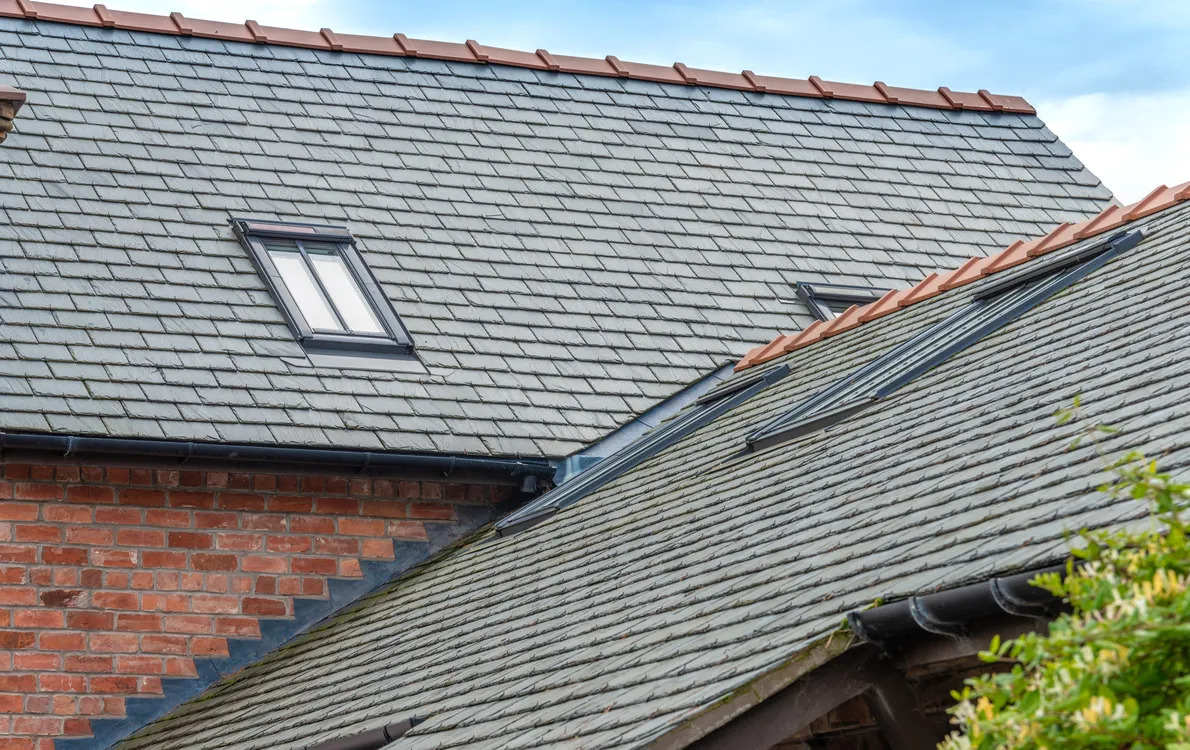 Natural slate tiles are most commonly seen in older homes and in conservation areas
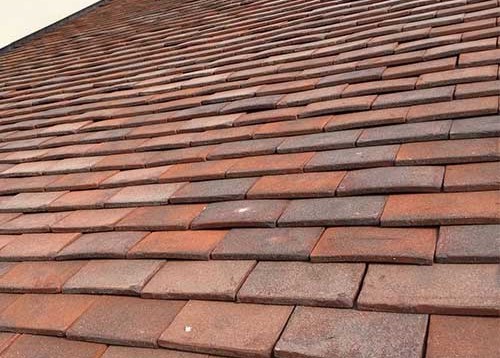 Clay plain tiles are flat, rectangular tiles, most often seen as a standard size of 265mm x 165mm
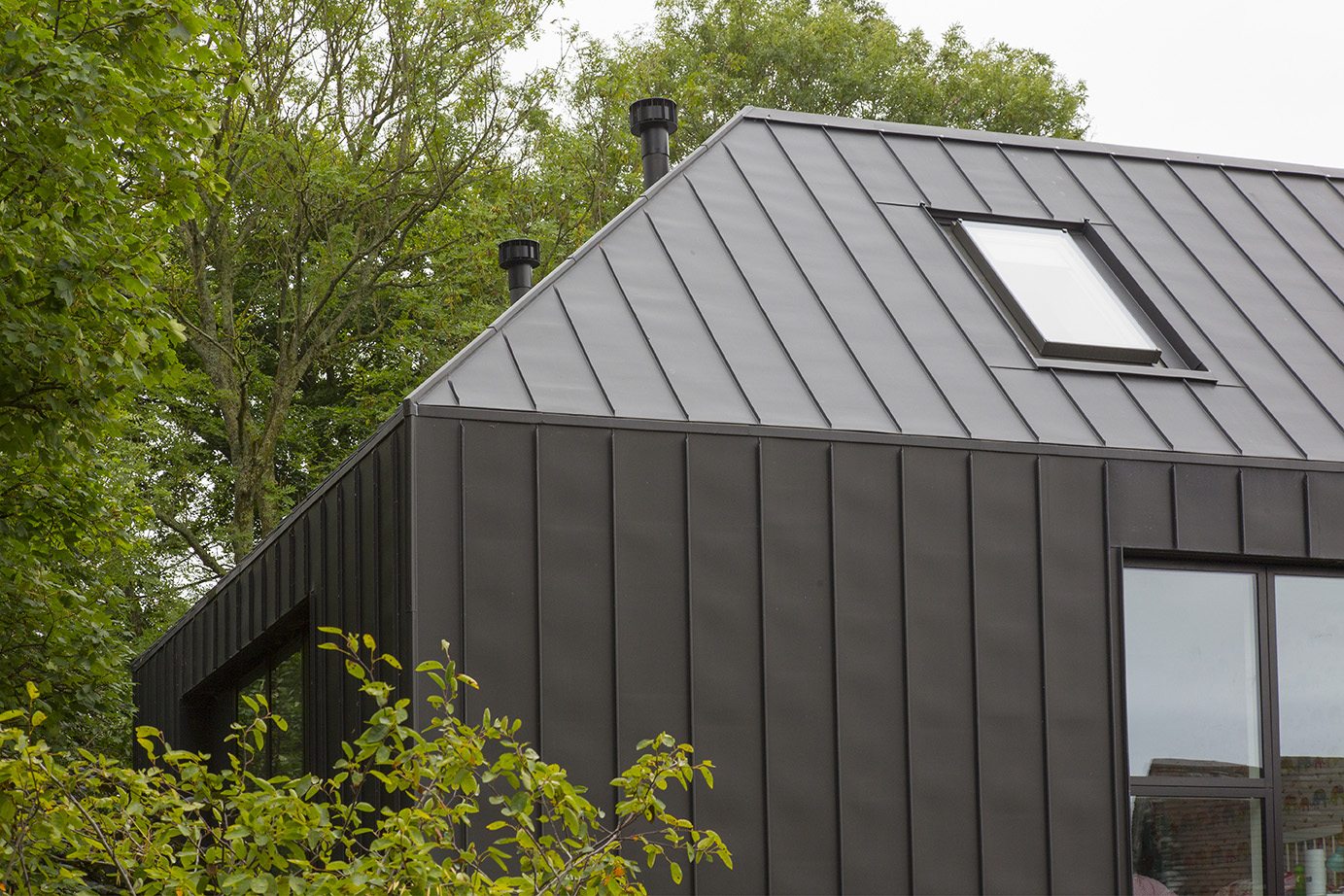 Standing seam zinc serves as a durable, lightweight material with a contemporary appearance
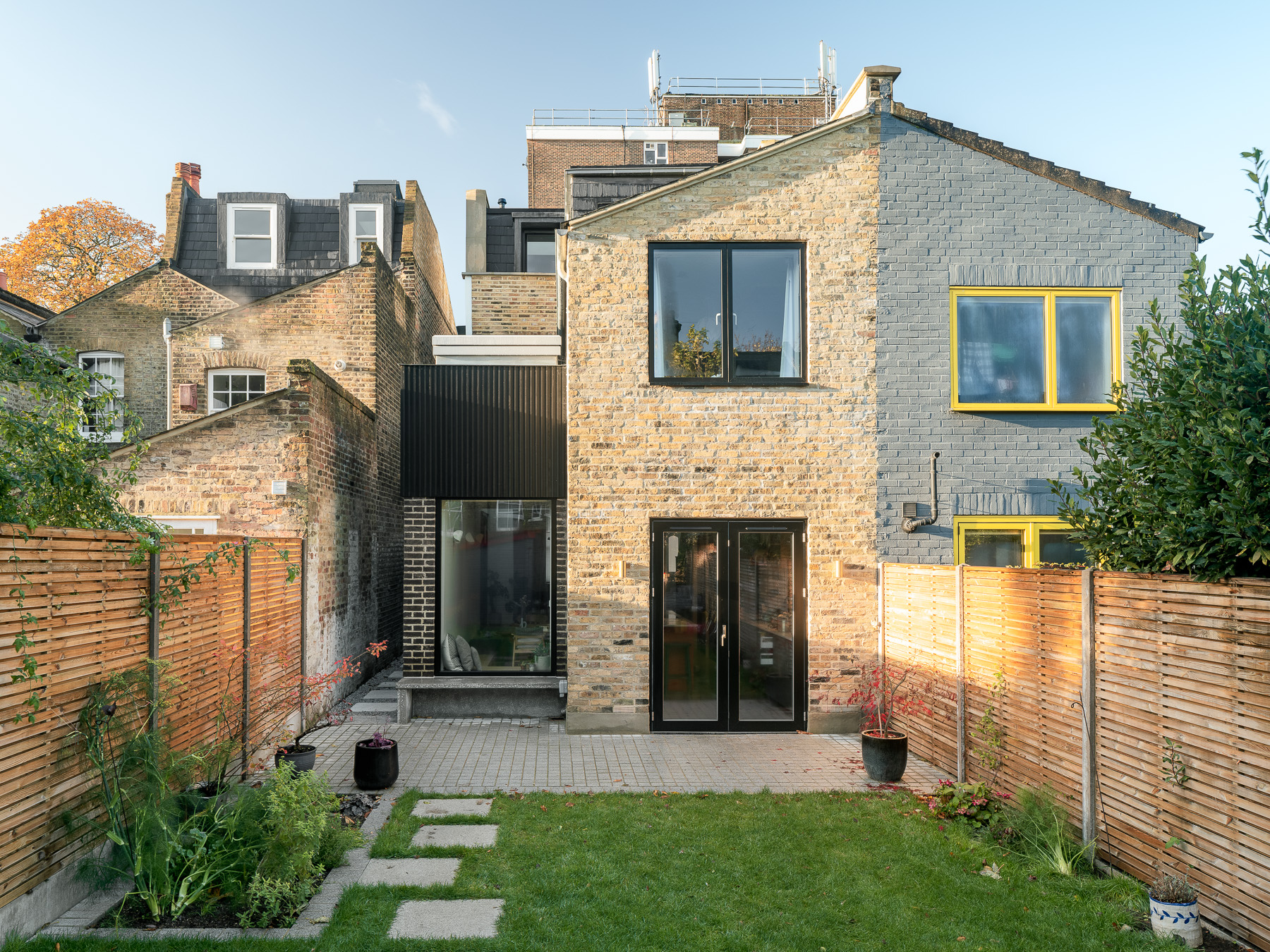 This extension and refurbishment in Stoke Newington by Mike Tuck Studio integrates black aluminium window frames, a painted timber door frame and
 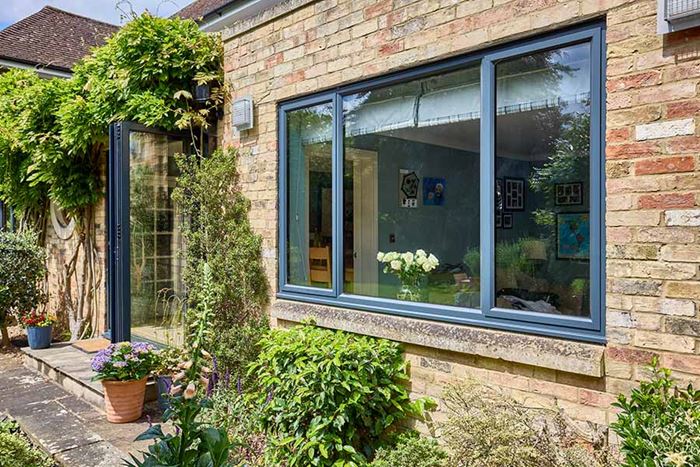 Slim aluminium window frames can serve as a contemporary alternative to timber frames
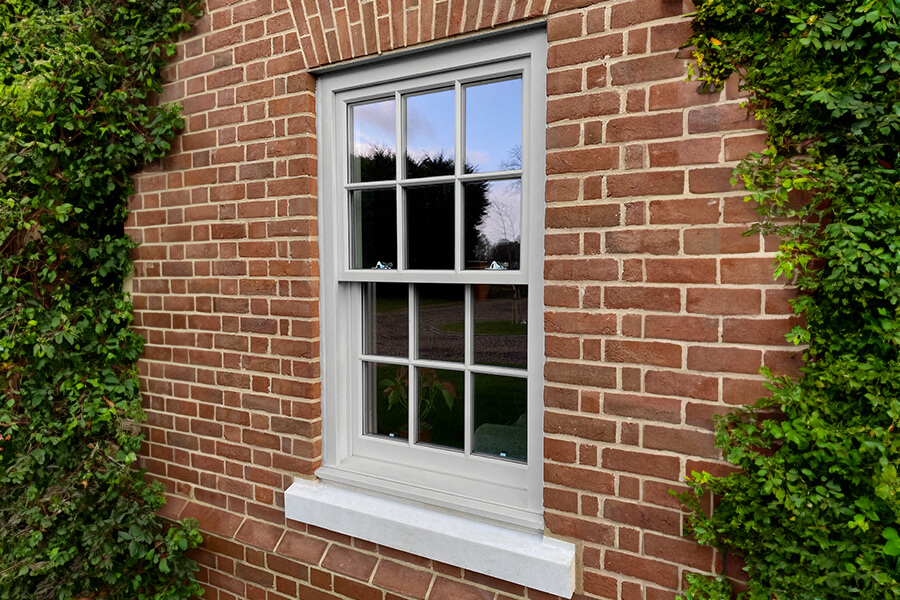 Timber sash windows are commonly seen in older homes and conservation areas
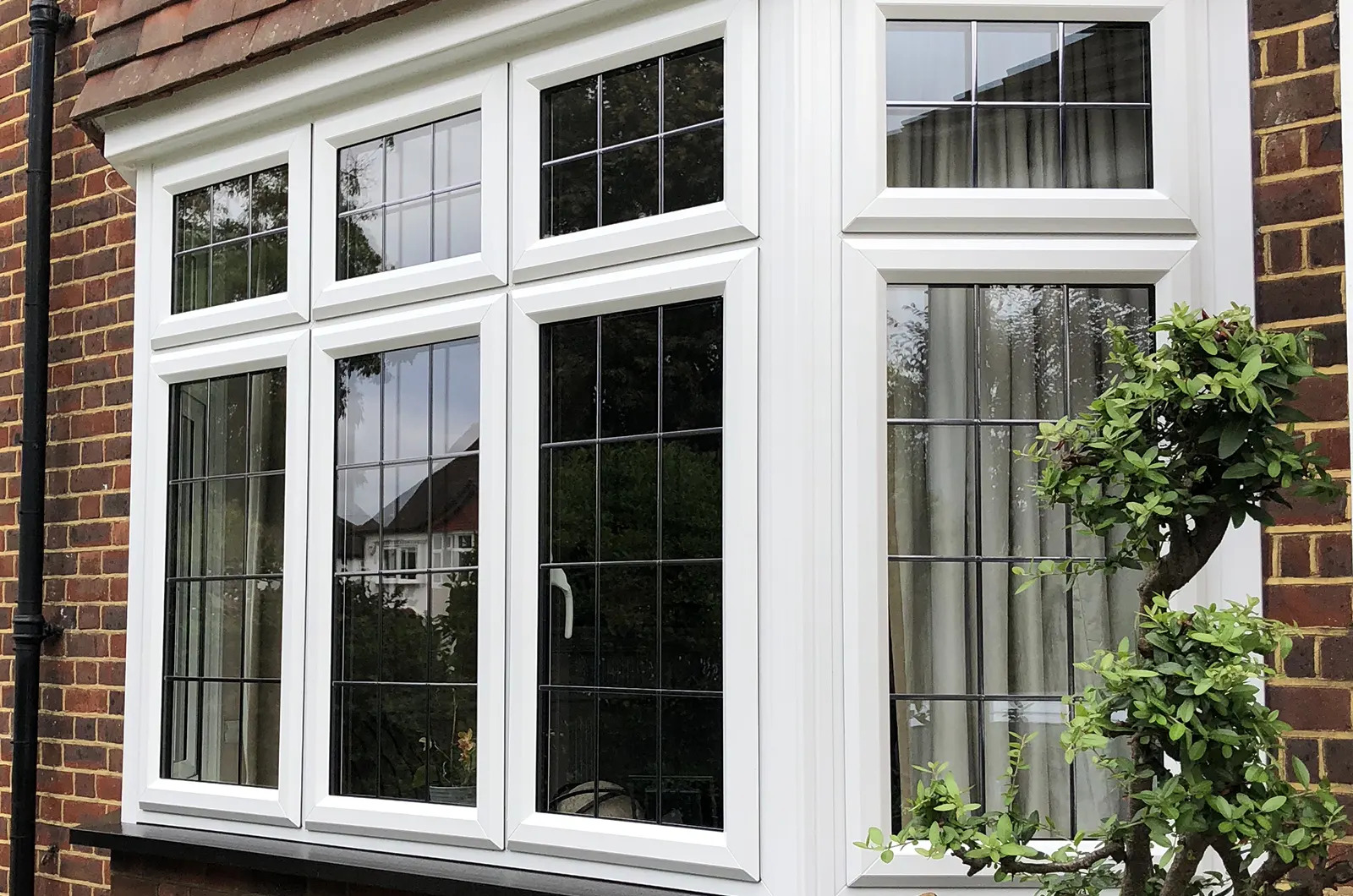 Typically uPVC windows have thick frames, making them unsuitable for conservation areas and older homes
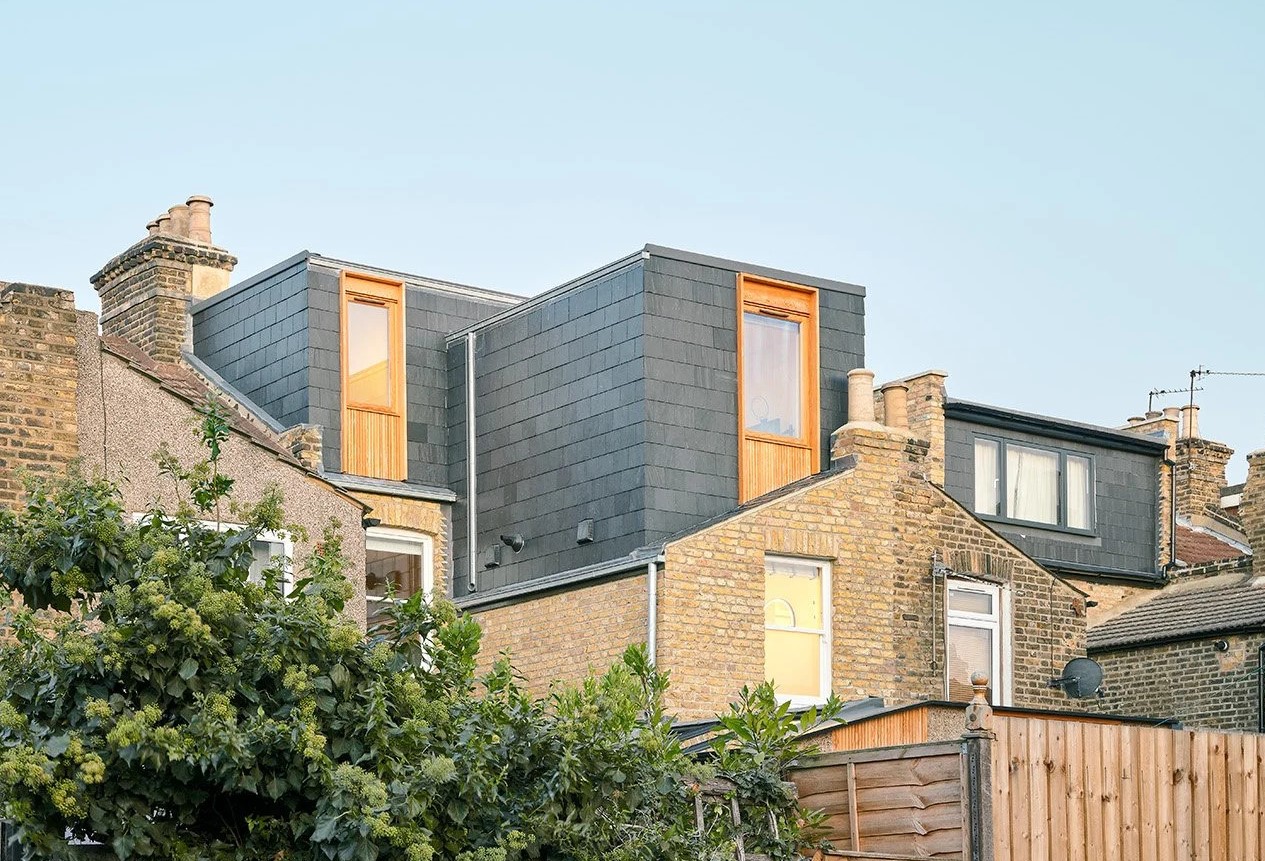 Silver rainwater goods help to tie in the pre-existing house with the new dormer and roof extension
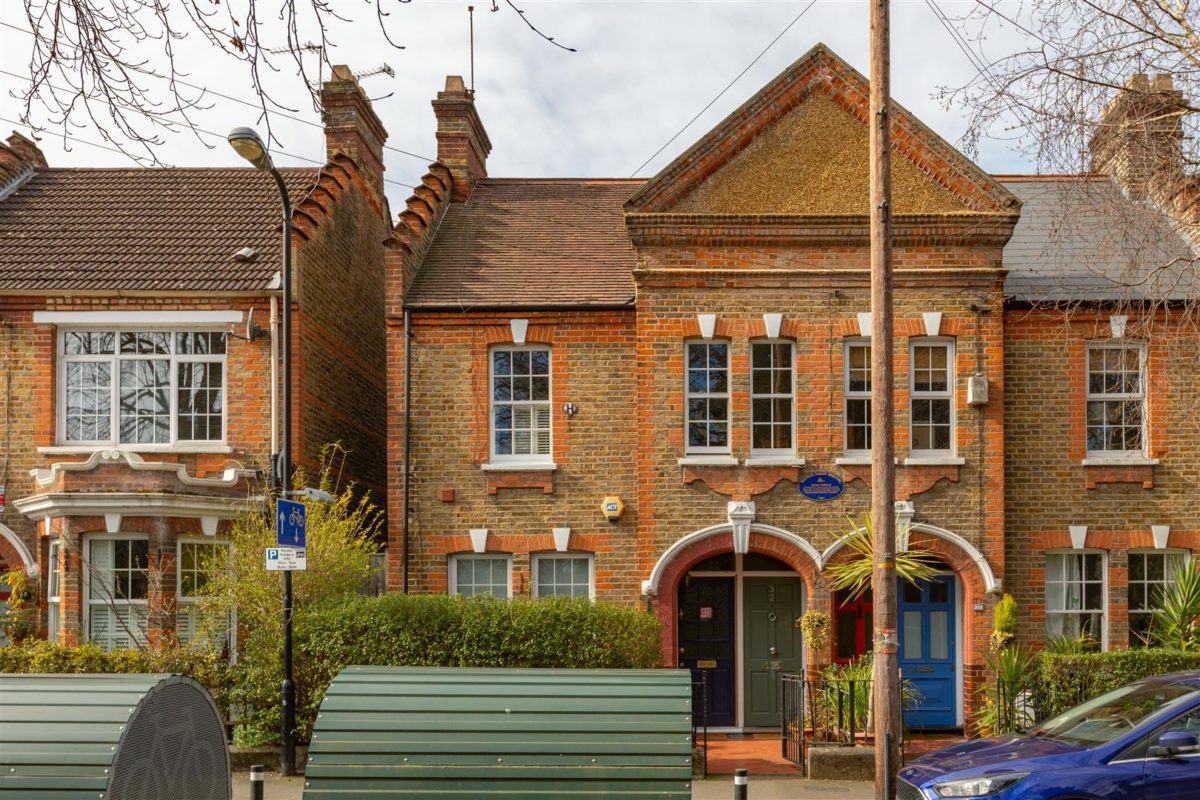 Both white and black rainwater goods are considered to be appropriate for these Warner houses