Supporting wildlife in your garden
There are lots of easy ways you can support wildlife using features already in your garden. Urban gardens provide key habitats, and are crucial in providing shelter and food for local urban wildlife. Consider taking these some of these steps to improve biodiversity and support local ecosystems. Every small action contributes a big difference overall!
Planting for pollinators
Using a range of planting, you can attract bees, butterflies and moths to your garden. A range of shrubs, bulbs, perennials and trees can attract pollinators to your garden. For more information on plant species to attract pollinators, refer to this guide by the RHS.
Seasonal variation
When choosing plants it is important to consider seasonal variation - different flowers bloom at different times, providing a continuous food source for pollinators. Plants of local provenance are well-adapted to the local climate and soil, providing the best resources for local wildlife.
Planting on balconies
Even if you don't have a garden, planting on balconies can still help to support pollination. To maximise space you could opt for vertical planters, hanging baskets, or wall-mounted containers.
Create habitats for bees
Bee banks are purpose-built sandy mounds, which provide provide essential, dry nesting habitat for ground-nesting bees and butterflies. Add wildflowers nearby for the perfect pollinator habitat! Find out how you can make your own bee bank in your garden with this leaflet by Buglife.
If you don't have much space in your garden, try adding a bug hotel or bee post - this is an upright structure with holes to provide nesting habitats for solitary bees.
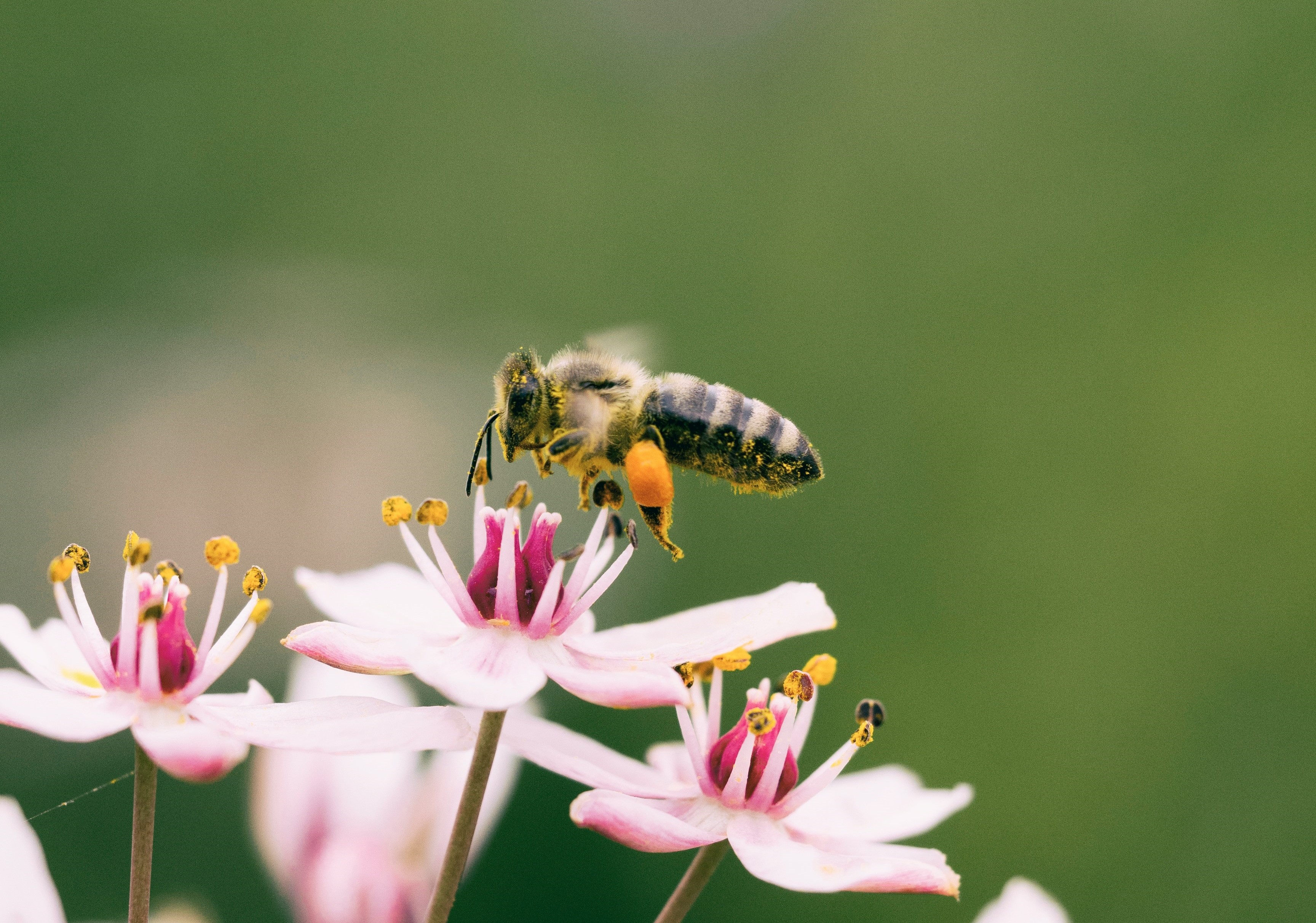 By including flowering plants that bloom at different times throughout the year, you can provide a consistent food source for pollinators (Source: Unsplash)
Create a pond in your garden
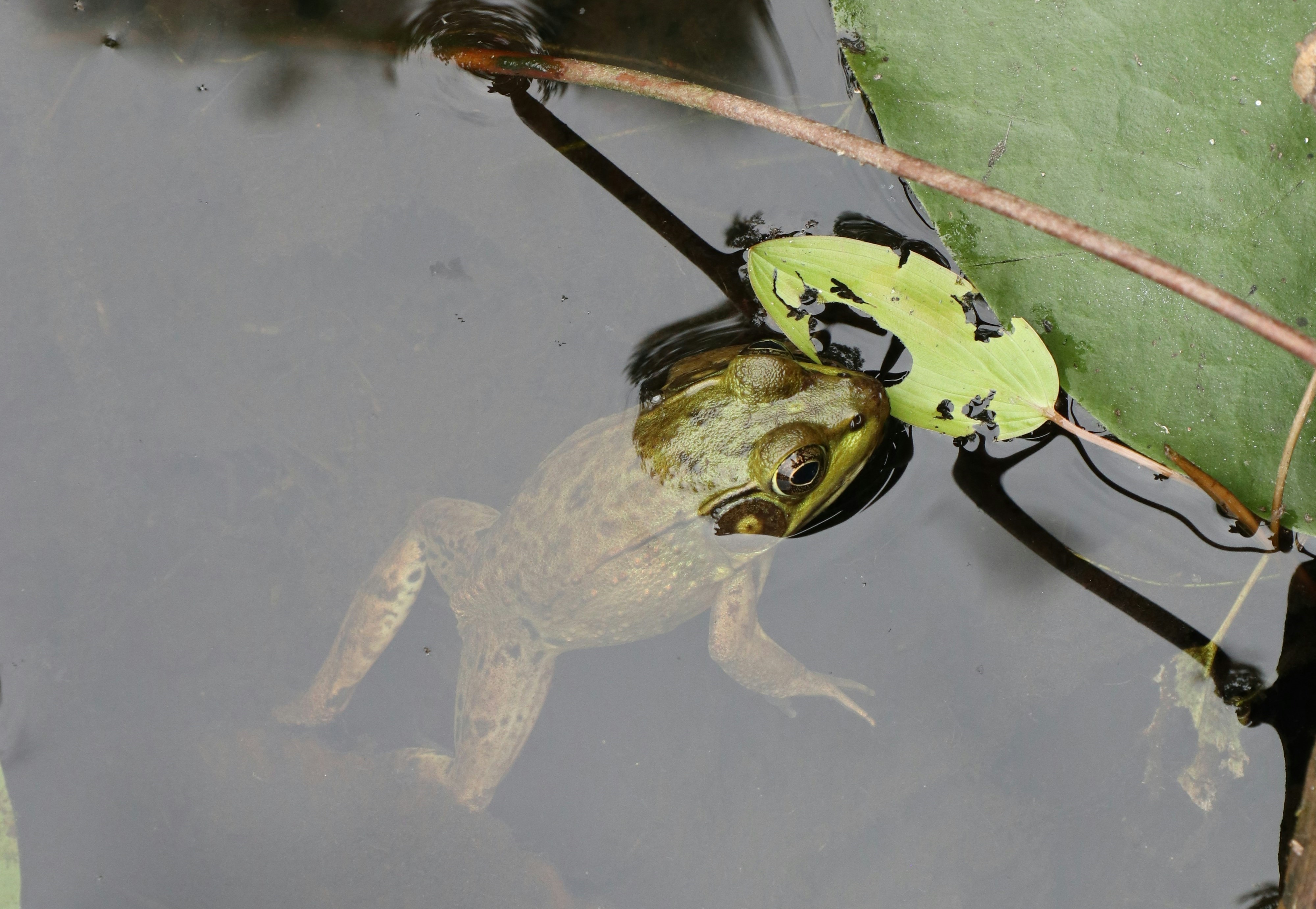
Creating a pond can attract frogs, toads, butterflies and a range of other insects to your garden. A pond can also serve as a focal point, and bring tranquility to your space.
Small container ponds
If space is restricted in your garden, or you haven't had a pond before, creating a small wildlife pond in a container is a great place to start. Read this article on the RHS website to learn how to make your own small pond in your garden.
Larger ponds
Larger ponds can help to regulate the microclimate of your garden, reduce rainwater runoff and help to replenish local groundwater. Ensuring that the pond has gently sloping sides will help small animals to moving in and out of your pond. Consider edging your pond with stones or pieces of wood, as this helps to create additional habitats for wildlife. See this article on the RHS website for more information on how to create and maintain your own pond.
 (Source: Unsplash)
Make a hedgehog highway with your neighbours
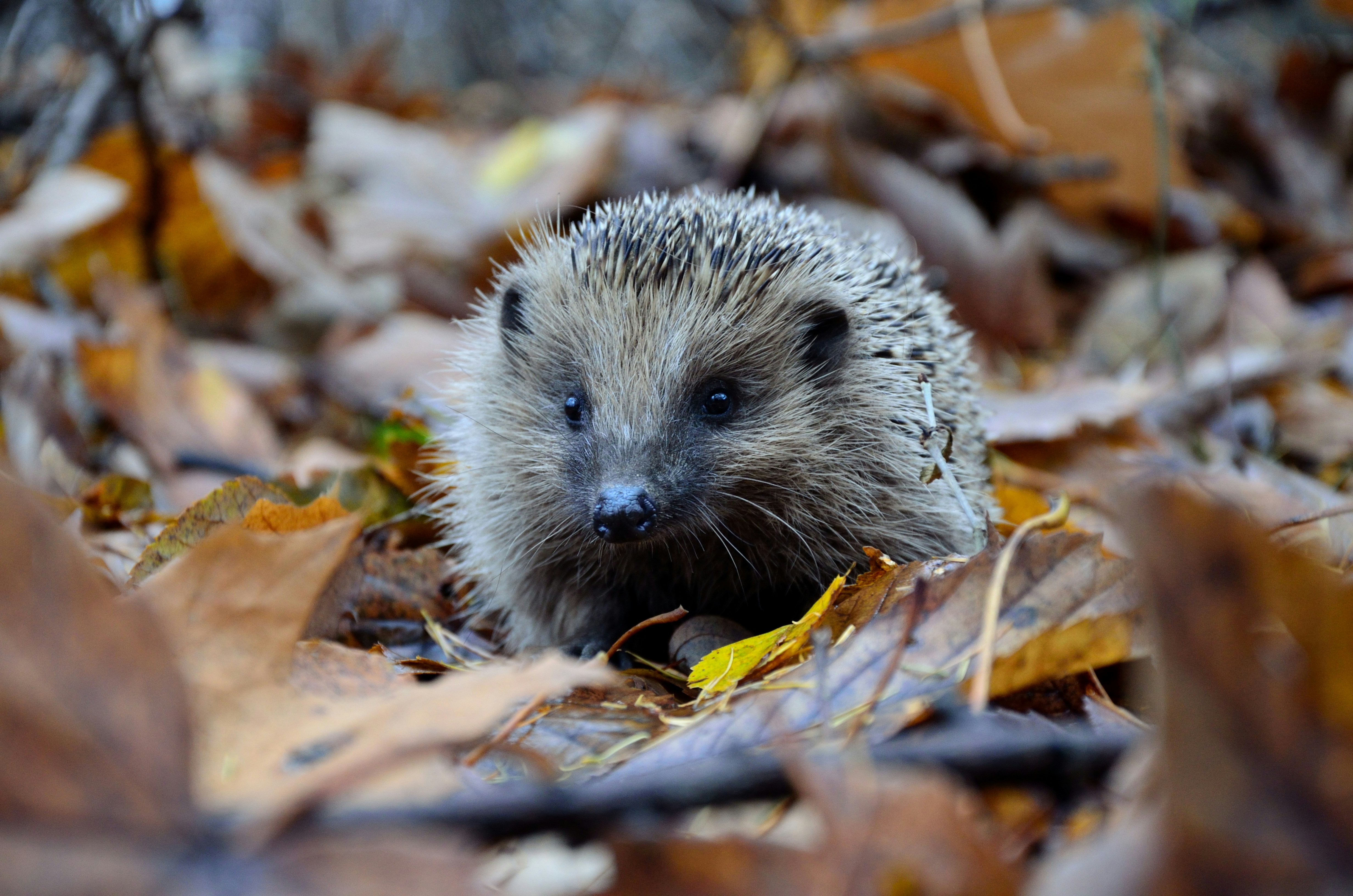
Hedgehogs travel around one mile every night through our parks and gardens, looking for a food or a mate. To help hedgehogs move through your garden, you can work with your neighbours to create a “hedgehog highway” by incorporating small gaps at the base of fences.
A square gap of 13cm by 13cm square is sufficient for any hedgehog to pass through, while also being too small for most pets. You can also consider introducing mixed native hedgerows along property boundaries, to create a more permeable boundary, and boost the biodiversity of your garden.
Other ways you can help animals including hedgehogs include leaving small piles of leaves or logs in your garden. Log piles can provide a safe, secure site for breeding or hibernating. They also attract insect, providing a year round food supply for hedgehogs. Not only can leaf piles be used as a potential nesting site but they can also be used for bedding material for any other nest sites or hedgehog boxes in the surrounding area.
 (Source: Unsplash)
 Bird feeders and nesting boxes
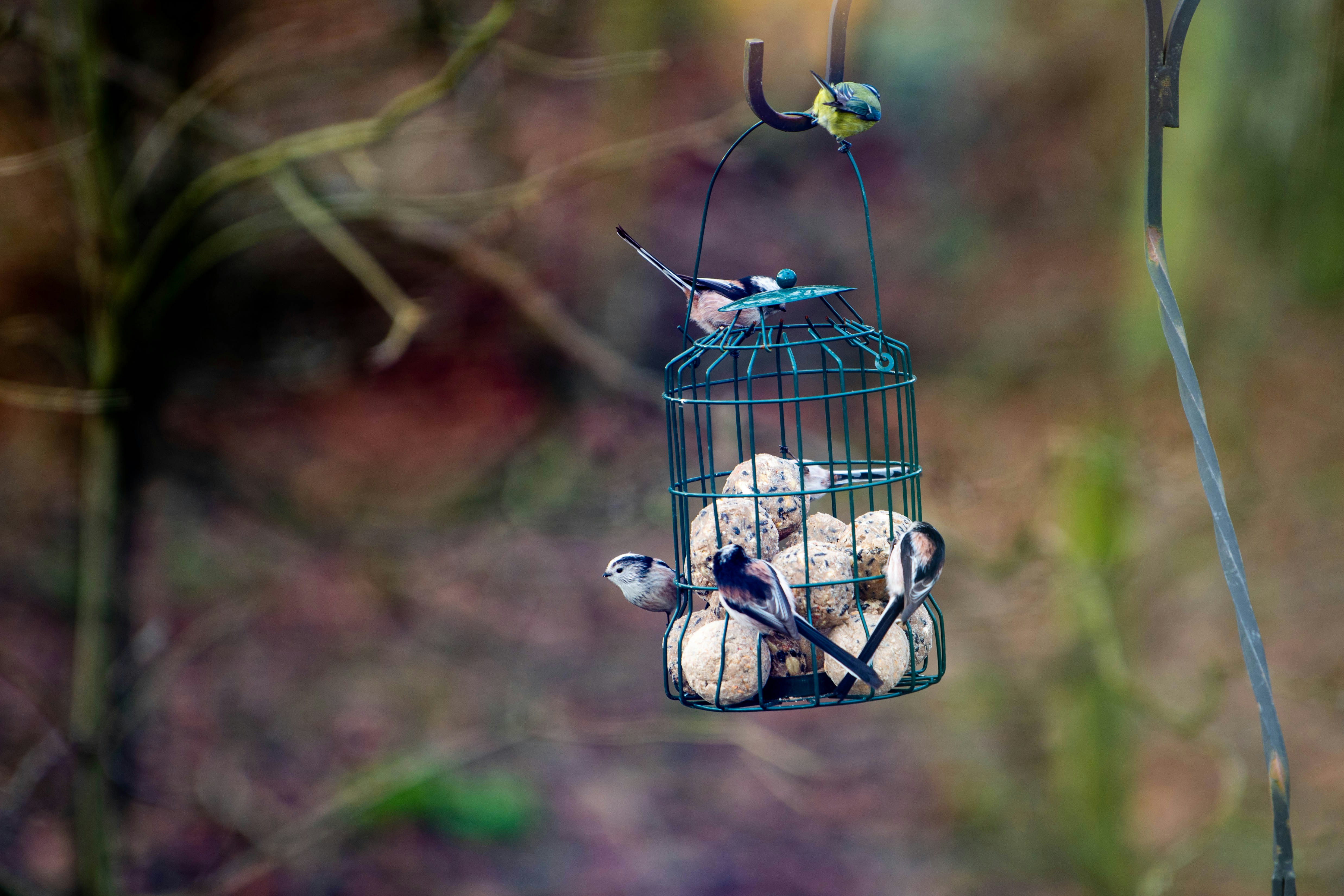
Installing bird feeders and nesting boxes can attract a variety of birds, which help control insect populations. This is a great option if you don't have a garden at ground level garden, as you can install a feeder or nesting box to your external wall or balcony. The added bonus is you then get to watch the local birdlife from your window!
 (Source: Unsplash)
Other habitats
Trees, hedges, shrubs, and established borders provide habitats for a range of animals, including birds, insects, butterflies, and small mammals like hedgehogs, voles, and dormice. If you already have these features in your garden, try to keep them and only prune as necessary, to help create more spaces for wildlife. Piles of logs or branches can become habitats for insects, fungi, and small mammals.
If you already have a green roof, for example on a low-level extension, it is important to ensure it is properly irrigated, so that plants survive. Green roofs should also incorporate a drainage layer to manage excess water and prevent root damage.
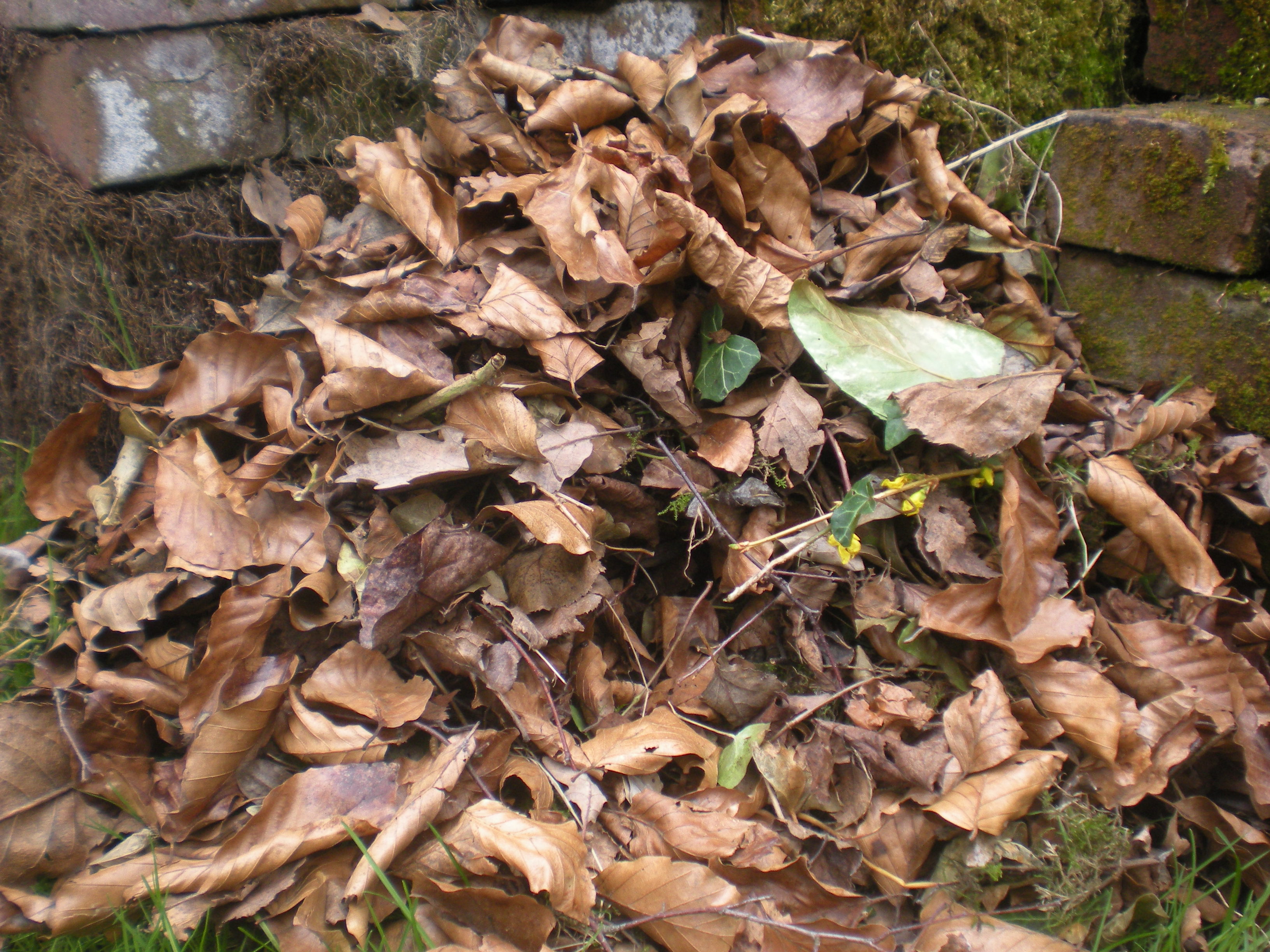 Consider leaving leaves or dry garden waste in a pile in the corner of your garden, to provide nesting spaces for wildlife (Source: LBWF)
Now you can enjoy a vibrant, wildlife-friendly garden that supports a diverse range of species. Happy gardening!