9.1 Internal insulation
Insulation is a material used to reduce the flow of heat and sound through a building’s envelope: its walls, roof, and floors. Its primary function is to resist heat transfer, helping to keep your home warmer in winter by trapping heat inside and cooler in summer by preventing heat from entering.
A properly insulated home will have improved thermal efficiency, reducing heating bills by up to 32%. Installing or upgrading insulation can have a number of other benefits:
- improved health, leading to fewer coughs and colds, and a lower risk of developing asthma and other long term health conditions related to poor ventilation.
- quieter homes, as sounds such as traffic are reduced.
- keeping your home cooler in the summer, helping to reduce the use of fans and other cooling systems.
If embarking on a retrofit project, it recommended that fitting insulation is the first step you take to ensure any other improvements have the maximum results.
Internal or external wall insulation
If your home was built before or during the 1940s, it is likely it was built with solid walls, without a cavity (gap) for insulation.
Homes built from the 1950s onwards were typically built with cavity walls and insulation, as stricter building codes mandated the use of insulating materials.
If your home has solid walls, external wall insulation offers a way to improve the thermal efficiency of your home. Read more about external wall insulation here.
For homes with cavity walls, often existing wall insulation can be upgraded to improve energy efficiency.
| 9.1.1 | A wall surveyor can check whether the walls of a house are cavity or solid, which will determine the right type of wall insulation to be installed.
|
|
| 9.1.2 | Poorly installed insulation can result in heat loss, condensation and even structural damage so it’s always worth speaking to a range of professionals before undertaking work.
|
|
Internal insulation
Insulation is essential in order to maintain a warm and comfortable home. Insulation can be fitted or upgraded within the walls, floors, attic or roof of your home to reduce heat loss and reduce your energy bills.
A ‘thermal bridge’ or ‘cold bridge’ occurs where materials that conduct heat form a ‘bridge’ between the inside and outside of a building. This results in heat being lost to the outside, and most commonly occurs around window junctions. In order for insulation to work, windows and doors must be properly fitted, and any gaps sealed with insulation.
| 9.1.3 | Planning permission is usually not required for fitting internal insulation, including in conservation areas, where there is no change in external appearance.
|
|
| 9.1.4 | Planning permission and listed building consent is required for proposals involving fitting internal insulation in a listed building. Find out more about listed buildings in Waltham Forest here.
|
|
| 9.1.5 | For further details of planning requirements and building regulations for fitting insulation, refer to these pages on the Planning Portal. |
|
|
|
|
| 9.1.6 | A professional installer should be hired to ensure that the insulation is appropriate and complete. |
|
| 9.1.7 | A loft or attic should be good condition and dry before insulation is installed, otherwise dampness or mould could be trapped within the roof space.
|
|
| 9.1.8 | When specifying internal insulation, proposals should: - ensure all walls and ceilings between a heated room and an unheated space are insulated.
- eliminate cold bridging by ensuring insulation is properly sealed with no gaps.
- eliminate the risk of condensation by integrating vapour control layers and ventilated cavities where appropriate.
- not cover any existing ventilation systems, such as vents, grilles or airbricks.
- not alter or damage existing decorative details.
|
|
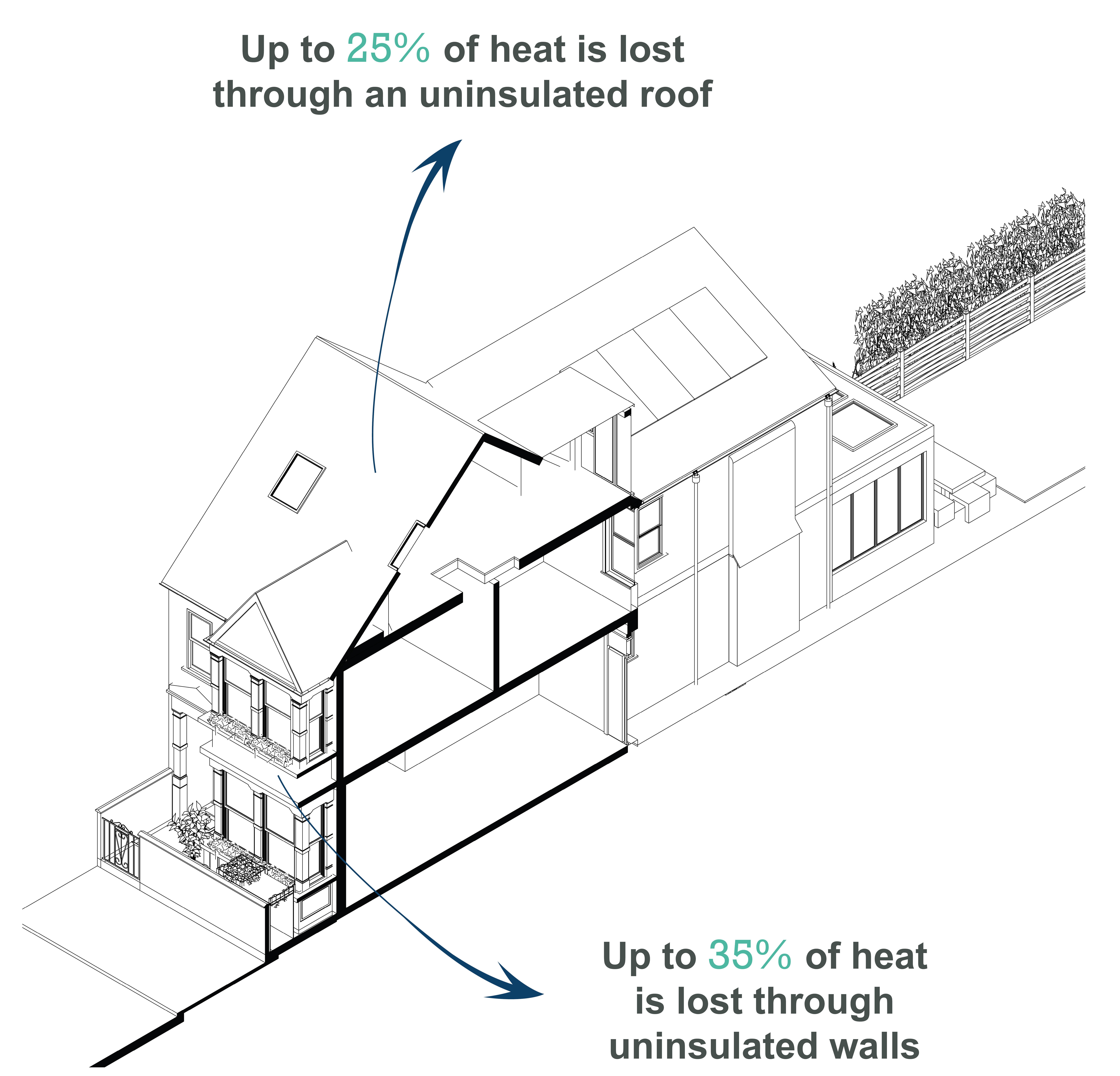 Illustration showing potential heat loss from a home with insufficient insulation
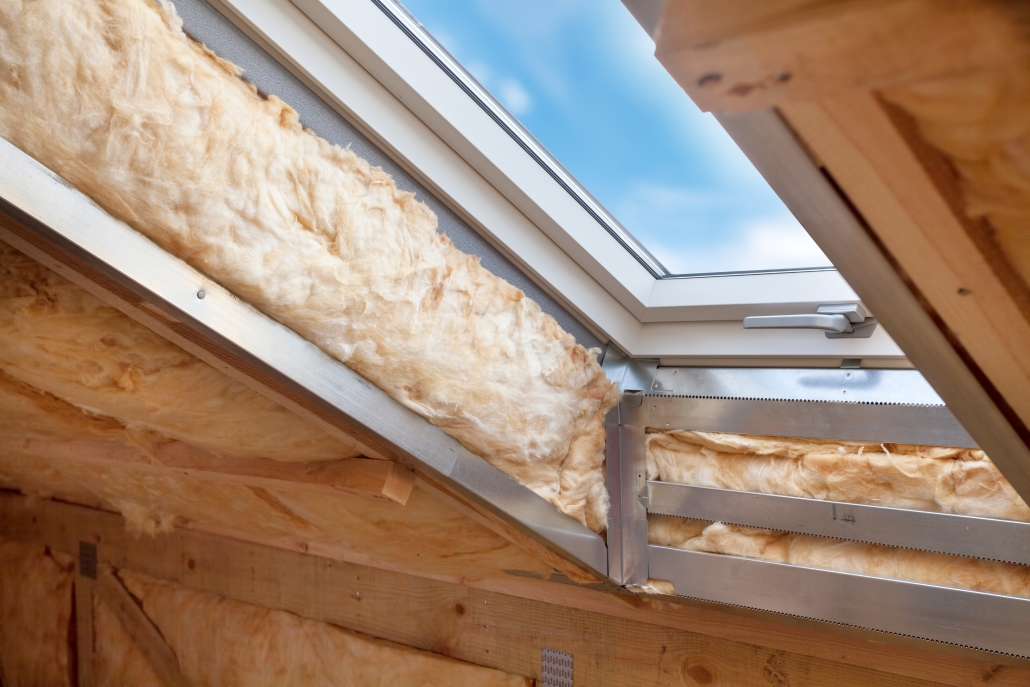 Many homes have insufficient loft insulation, leading to significant heat loss through the roof
Insulative materials
A range of insulation materials are available, all with different thermal and environmental properties. Some commonly found insulation materials include fibreglass and mineral wool.
| 9.1.9 | While fibreglass and mineral wool are noncombustible, some insulative materials, such as expanded polystyrene (EPS) and polyurethane foam board (PUR), are combustible meaning they can catch fire when exposed to high heat. These materials should be avoided and non-combustible or highly fire retardant materials used instead.
|
|
Many common insulation materials are made from plastics or non-renewable resources, meaning they typically have a high carbon footprint and can contain harmful chemicals. For example:
- Stone wool is a type of mineral wool made from volcanic rock. This is non-renewable resource, and the production of stone wool requires a significant amount of energy.
- Expanded polystyrene (EPS) and polyurethane foam board (PUR) are plastics, and can contain toxins that are harmful to human health.
The construction industry has seen significant innovation in insulation, and there are now a number of insulative materials available that are both low-carbon and fire retardant or non-combustible. These materials are increasingly being adopted by the construction industry. Some examples of these materials are shown further down on this page.
| 9.1.10 | Low-carbon insulation options should be considered wherever possible to reduce the carbon impact of a building or extension.
|
|
| 9.1.11 | As many of these low-carbon materials are naturally breathable and free from toxins, they can help to create healthier spaces with improved air quality. |
|
| 9.1.12 | It should be noted that the lead time can be longer for low-carbon materials due to availability. Homeowners interested to integrate low-carbon materials in their build should communicate this with the contractor (and architect, where applicable) as early in the project as possible. |
|
Natural, low carbon alternatives
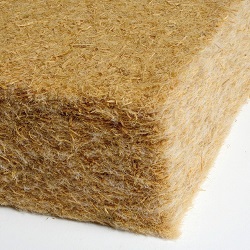 |
| Wood fibre Wood fibre insulation is an eco-friendly and sustainable building material made from natural wood fibres, such as from sawdust and off-cuts, that are pressed into rigid boards or flexible batts. It provides excellent thermal and acoustic insulation, regulates moisture, and is durable. This makes it a versatile choice for new construction or retrofitting existing buildings. |
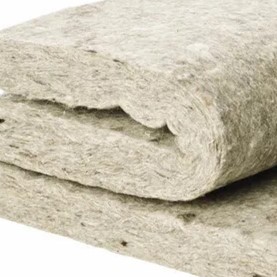 |
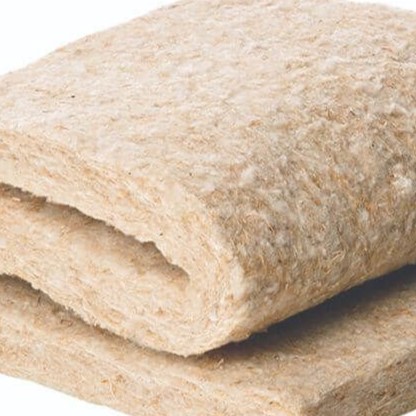
| Sheep’s wool Unlike mineral wool, sheep’s wool is a renewable resource. Sheep’s wool is warm, and naturally resistant to moisture, mould and fire. It is made by compressing shredded sheep’s wool into thick mats, which are then cut to size. It comes in batts which are easily stuffed into wall cavities during installation. To reduce its carbon footprint, sheep’s wool insulation should be sourced from within the UK. |
 |
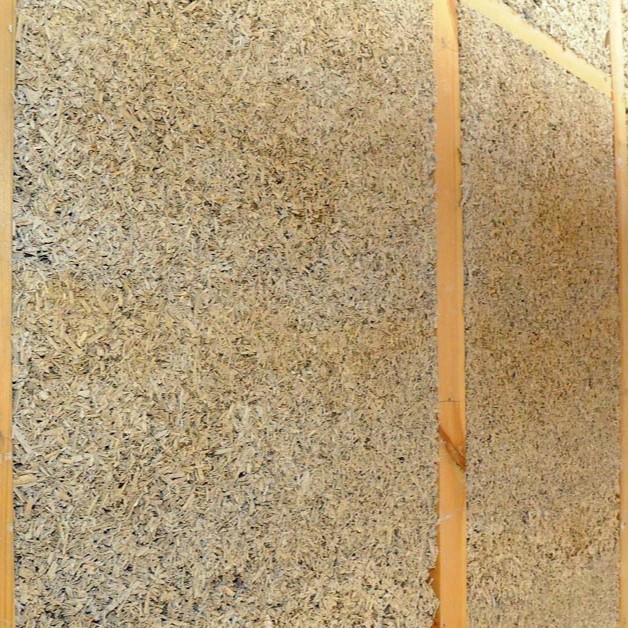
| Hempwool Hempwool is a natural, sustainable insulation material made primarily from the fibres of the hemp plant, sometimes blended with other materials like recycled wool or a small amount of polyester binder. It is used in buildings for thermal and acoustic insulation, offering benefits such as breathability, moisture regulation and a low carbon footprint. |
 |
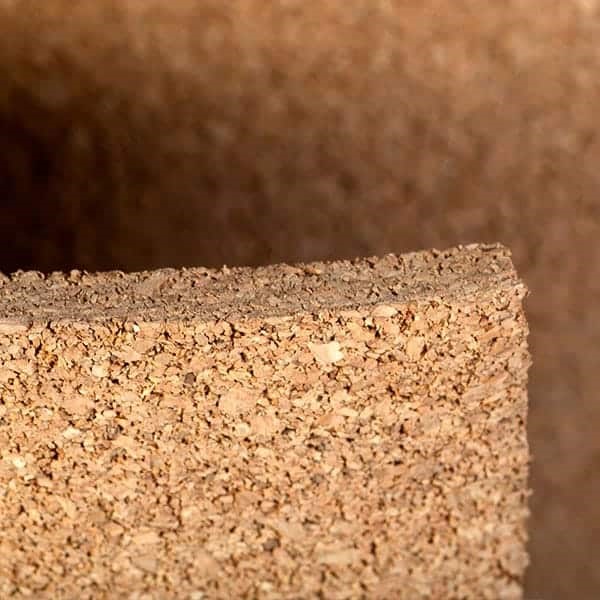
| Hempcrete Hempcrete is a non-load bearing, insulative material made by mixing hemp with a lime-based binder. As a low-carbon, breathable, lightweight and breathable material, it is a great option for insulating timber frame buildings. |
 |
| Cork Insulative cork boards are available, that are made from expanded cork agglomerate (ECA). Cork is a cellular material that is very durable and naturally damp-proof. Cork can be used as wall insulation, floor insulation, and screed. As a renewable resource, cork boards make an excellent alternative to non-renewable insulative materials. |
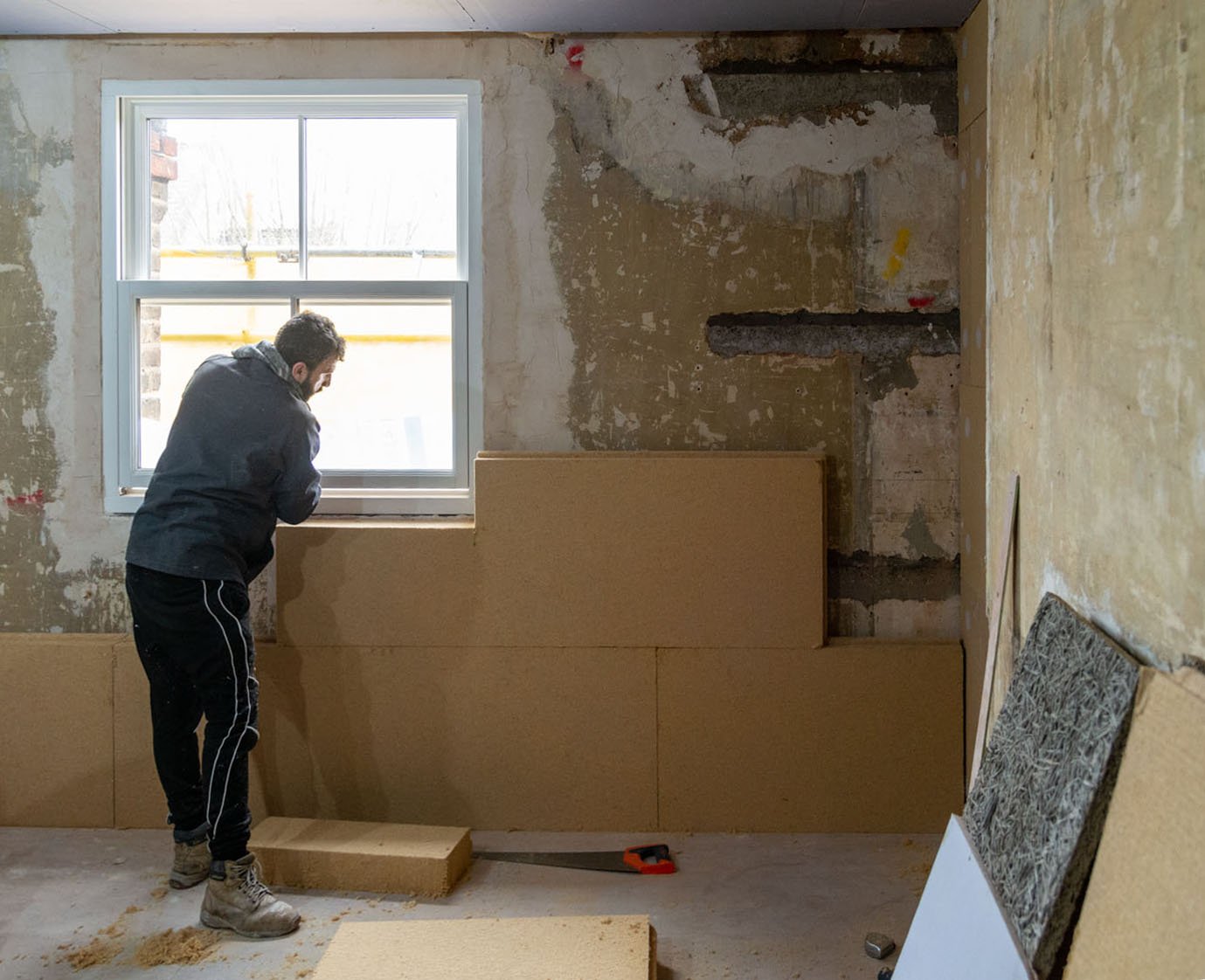 By reducing heat loss, internal wall insulation helps heating systems to run more efficiently, saving you money
9.1 Internal insulation
Insulation is a material used to reduce the flow of heat and sound through a building’s envelope: its walls, roof, and floors. Its primary function is to resist heat transfer, helping to keep your home warmer in winter by trapping heat inside and cooler in summer by preventing heat from entering.
A properly insulated home will have improved thermal efficiency, reducing heating bills by up to 32%. Installing or upgrading insulation can have a number of other benefits:
- improved health, leading to fewer coughs and colds, and a lower risk of developing asthma and other long term health conditions related to poor ventilation.
- quieter homes, as sounds such as traffic are reduced.
- keeping your home cooler in the summer, helping to reduce the use of fans and other cooling systems.
If embarking on a retrofit project, it recommended that fitting insulation is the first step you take to ensure any other improvements have the maximum results.
Internal or external wall insulation
If your home was built before or during the 1940s, it is likely it was built with solid walls, without a cavity (gap) for insulation.
Homes built from the 1950s onwards were typically built with cavity walls and insulation, as stricter building codes mandated the use of insulating materials.
If your home has solid walls, external wall insulation offers a way to improve the thermal efficiency of your home. Read more about external wall insulation here.
For homes with cavity walls, often existing wall insulation can be upgraded to improve energy efficiency.
| 9.1.1 | A wall surveyor can check whether the walls of a house are cavity or solid, which will determine the right type of wall insulation to be installed.
|
|
| 9.1.2 | Poorly installed insulation can result in heat loss, condensation and even structural damage so it’s always worth speaking to a range of professionals before undertaking work.
|
|
Internal insulation
Insulation is essential in order to maintain a warm and comfortable home. Insulation can be fitted or upgraded within the walls, floors, attic or roof of your home to reduce heat loss and reduce your energy bills.
A ‘thermal bridge’ or ‘cold bridge’ occurs where materials that conduct heat form a ‘bridge’ between the inside and outside of a building. This results in heat being lost to the outside, and most commonly occurs around window junctions. In order for insulation to work, windows and doors must be properly fitted, and any gaps sealed with insulation.
| 9.1.3 | Planning permission is usually not required for fitting internal insulation, including in conservation areas, where there is no change in external appearance.
|
|
| 9.1.4 | Planning permission and listed building consent is required for proposals involving fitting internal insulation in a listed building. Find out more about listed buildings in Waltham Forest here.
|
|
| 9.1.5 | For further details of planning requirements and building regulations for fitting insulation, refer to these pages on the Planning Portal. |
|
|
|
|
| 9.1.6 | A professional installer should be hired to ensure that the insulation is appropriate and complete. |
|
| 9.1.7 | A loft or attic should be good condition and dry before insulation is installed, otherwise dampness or mould could be trapped within the roof space.
|
|
| 9.1.8 | When specifying internal insulation, proposals should: - ensure all walls and ceilings between a heated room and an unheated space are insulated.
- eliminate cold bridging by ensuring insulation is properly sealed with no gaps.
- eliminate the risk of condensation by integrating vapour control layers and ventilated cavities where appropriate.
- not cover any existing ventilation systems, such as vents, grilles or airbricks.
- not alter or damage existing decorative details.
|
|
Illustration showing potential heat loss from a home with insufficient insulation
Many homes have insufficient loft insulation, leading to significant heat loss through the roof
Insulative materials
A range of insulation materials are available, all with different thermal and environmental properties. Some commonly found insulation materials include fibreglass and mineral wool.
| 9.1.9 | While fibreglass and mineral wool are noncombustible, some insulative materials, such as expanded polystyrene (EPS) and polyurethane foam board (PUR), are combustible meaning they can catch fire when exposed to high heat. These materials should be avoided and non-combustible or highly fire retardant materials used instead.
|
|
Many common insulation materials are made from plastics or non-renewable resources, meaning they typically have a high carbon footprint and can contain harmful chemicals. For example:
- Stone wool is a type of mineral wool made from volcanic rock. This is non-renewable resource, and the production of stone wool requires a significant amount of energy.
- Expanded polystyrene (EPS) and polyurethane foam board (PUR) are plastics, and can contain toxins that are harmful to human health.
The construction industry has seen significant innovation in insulation, and there are now a number of insulative materials available that are both low-carbon and fire retardant or non-combustible. These materials are increasingly being adopted by the construction industry. Some examples of these materials are shown further down on this page.
| 9.1.10 | Low-carbon insulation options should be considered wherever possible to reduce the carbon impact of a building or extension.
|
|
| 9.1.11 | As many of these low-carbon materials are naturally breathable and free from toxins, they can help to create healthier spaces with improved air quality. |
|
| 9.1.12 | It should be noted that the lead time can be longer for low-carbon materials due to availability. Homeowners interested to integrate low-carbon materials in their build should communicate this with the contractor (and architect, where applicable) as early in the project as possible. |
|
Natural, low carbon alternatives
|
| Wood fibre Wood fibre insulation is an eco-friendly and sustainable building material made from natural wood fibres, such as from sawdust and off-cuts, that are pressed into rigid boards or flexible batts. It provides excellent thermal and acoustic insulation, regulates moisture, and is durable. This makes it a versatile choice for new construction or retrofitting existing buildings. |
|
| Sheep’s wool Unlike mineral wool, sheep’s wool is a renewable resource. Sheep’s wool is warm, and naturally resistant to moisture, mould and fire. It is made by compressing shredded sheep’s wool into thick mats, which are then cut to size. It comes in batts which are easily stuffed into wall cavities during installation. To reduce its carbon footprint, sheep’s wool insulation should be sourced from within the UK. |
|
| Hempwool Hempwool is a natural, sustainable insulation material made primarily from the fibres of the hemp plant, sometimes blended with other materials like recycled wool or a small amount of polyester binder. It is used in buildings for thermal and acoustic insulation, offering benefits such as breathability, moisture regulation and a low carbon footprint. |
|
| Hempcrete Hempcrete is a non-load bearing, insulative material made by mixing hemp with a lime-based binder. As a low-carbon, breathable, lightweight and breathable material, it is a great option for insulating timber frame buildings. |
|
| Cork Insulative cork boards are available, that are made from expanded cork agglomerate (ECA). Cork is a cellular material that is very durable and naturally damp-proof. Cork can be used as wall insulation, floor insulation, and screed. As a renewable resource, cork boards make an excellent alternative to non-renewable insulative materials. |
By reducing heat loss, internal wall insulation helps heating systems to run more efficiently, saving you money