In Waltham Forest we are committed to exemplar design quality at all scales. This document provides clear guidance for achieving exemplar design quality throughout the planning process for domestic scale developments. Residential extensions and alterations are small, but they have a big impact on the streetscape, environment, and quality of life of residents and neighbours.
The document also provides guidance on how home alterations can incorporate retrofit measures, whereby existing building fabric is adapted to improve energy performance and reduce utility bills.
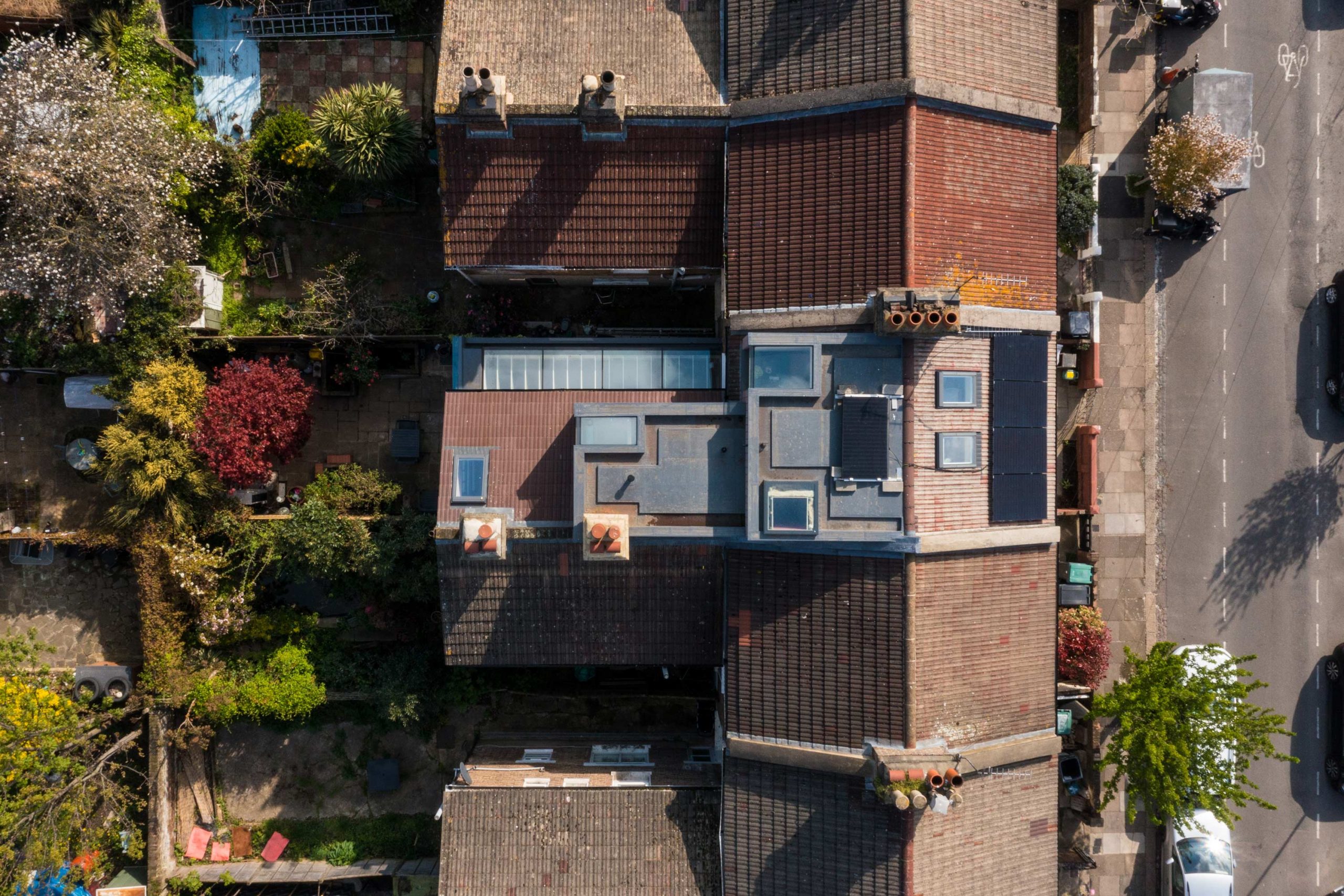 Aerial view of an alteration and retrofit project, including interior insulation, upgrading glazing, installing an air source heat pump, solar panels and mechanical ventilation with heat recovery (BradleyVanDerStraeten. Photography: French & Tye)
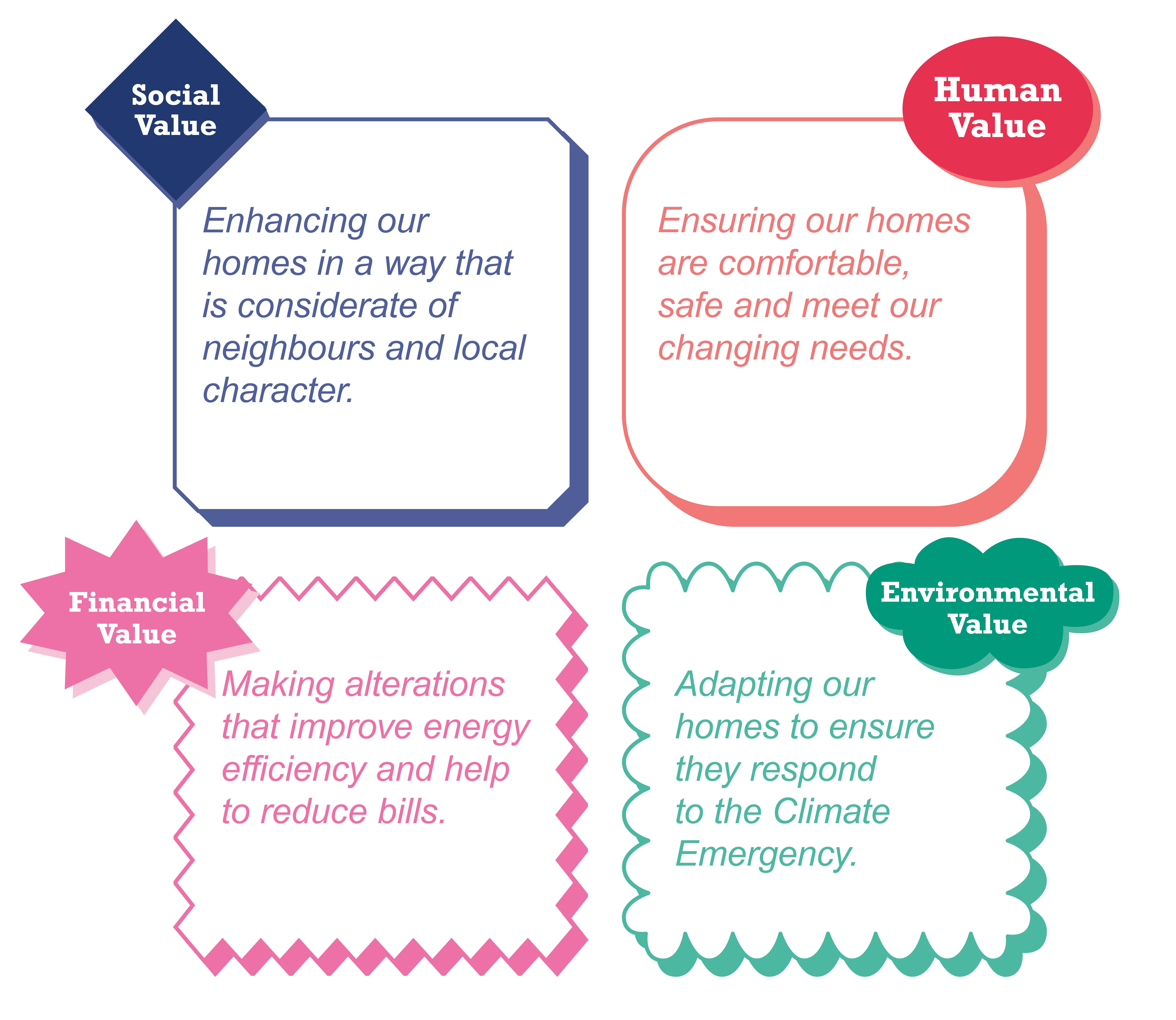 How the Residential Alterations and Retrofit Supplementary Planning Document aims to help achieve exemplar design (LBWF)
2.1 Altering your home
Maybe you would like to add an additional bedroom to your home for a growing family, or create a home office space. Or, you may want to alter your home internally or externally to account for changing accessibility needs.
Home extensions and alterations can be made in ways that consider family life, local character, the Climate Emergency, energy efficiency and fuel costs. Our aim is to provide clear guidance to make the process of making beneficial home alterations as simple as possible.
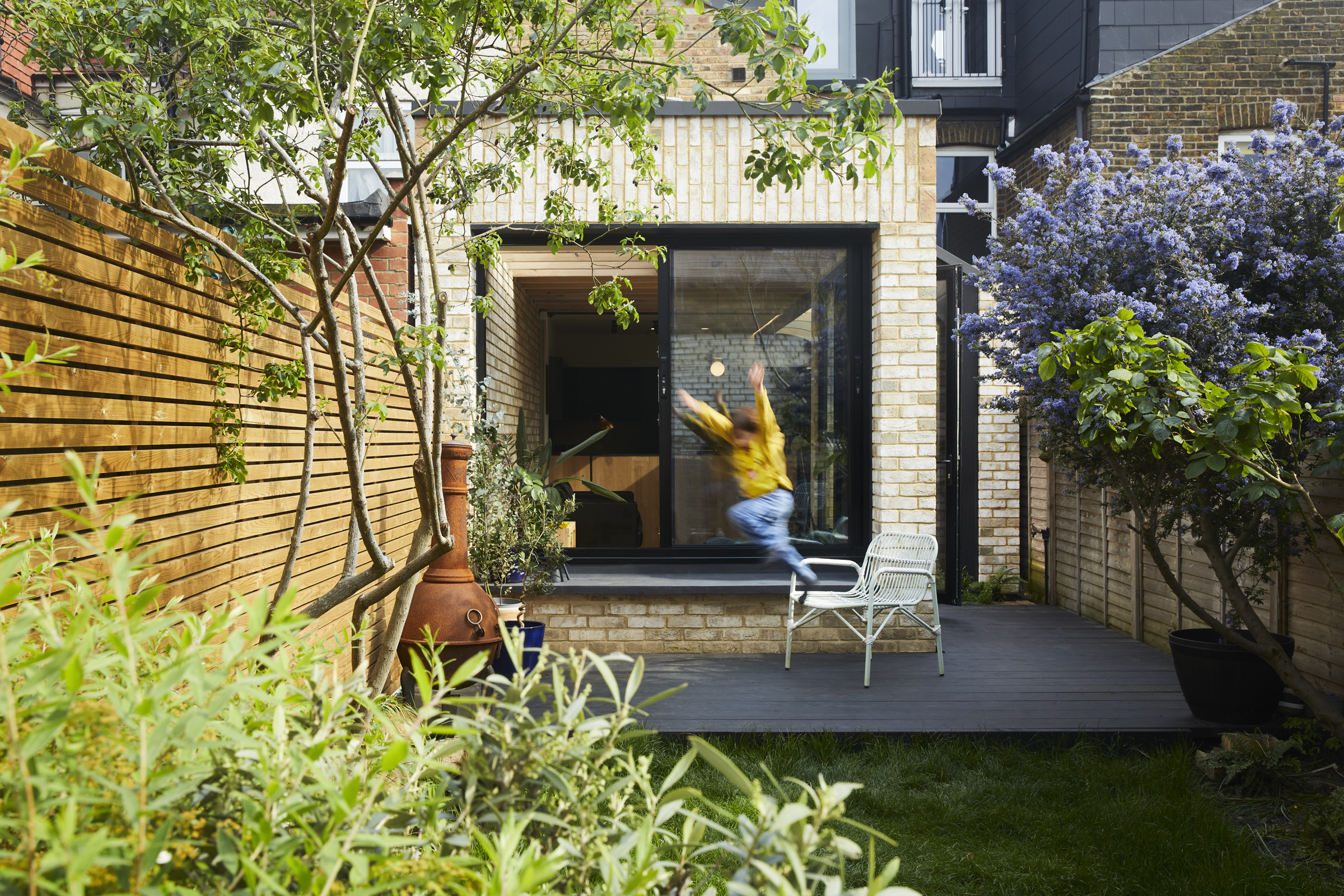 Brick single storey rear extension in Walthamstow (Studio Verve. Photography: Romain Forquy)
2.2 High quality design
When making an alteration to your home, using the highest quality design and construction methods possible can help to prolong the lifespan of your home, allowing you and your family to stay there for longer and reducing the need for repairs.
Improving the energy efficiency of your home through the retrofit measures suggested in this document can help to reduce long-term running costs and make your home more comfortable.
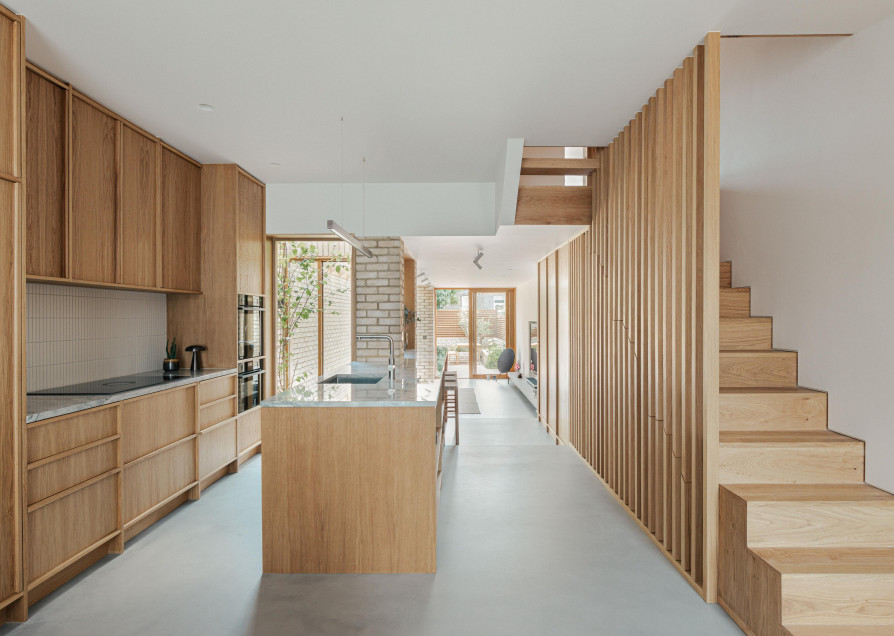
Interior of a house extension in Waltham Forest (Benjamin Wilkes. Photography: Chris Wharton)
The aims of this SPD are to:
|
|
- Provide inspiration and guidance to help residents to achieve home alterations of exemplar design quality.
- Ensure residents feel well informed about what alterations are possible and suitable for their home.
- Explain how retrofit measures can be undertaken as part of making home alterations to increase energy efficiency, improve comfort and reduce running costs.
- Ensure residents are informed about any design and planning considerations before embarking on home extensions or alterations.
- Provide simple and clear advice on engaging with the Council to secure planning permission for extensions, alterations and retrofit measures.
- Advise how front and back gardens play a key role in supporting biodiversity and mitigating local flood risk.
|
|
|
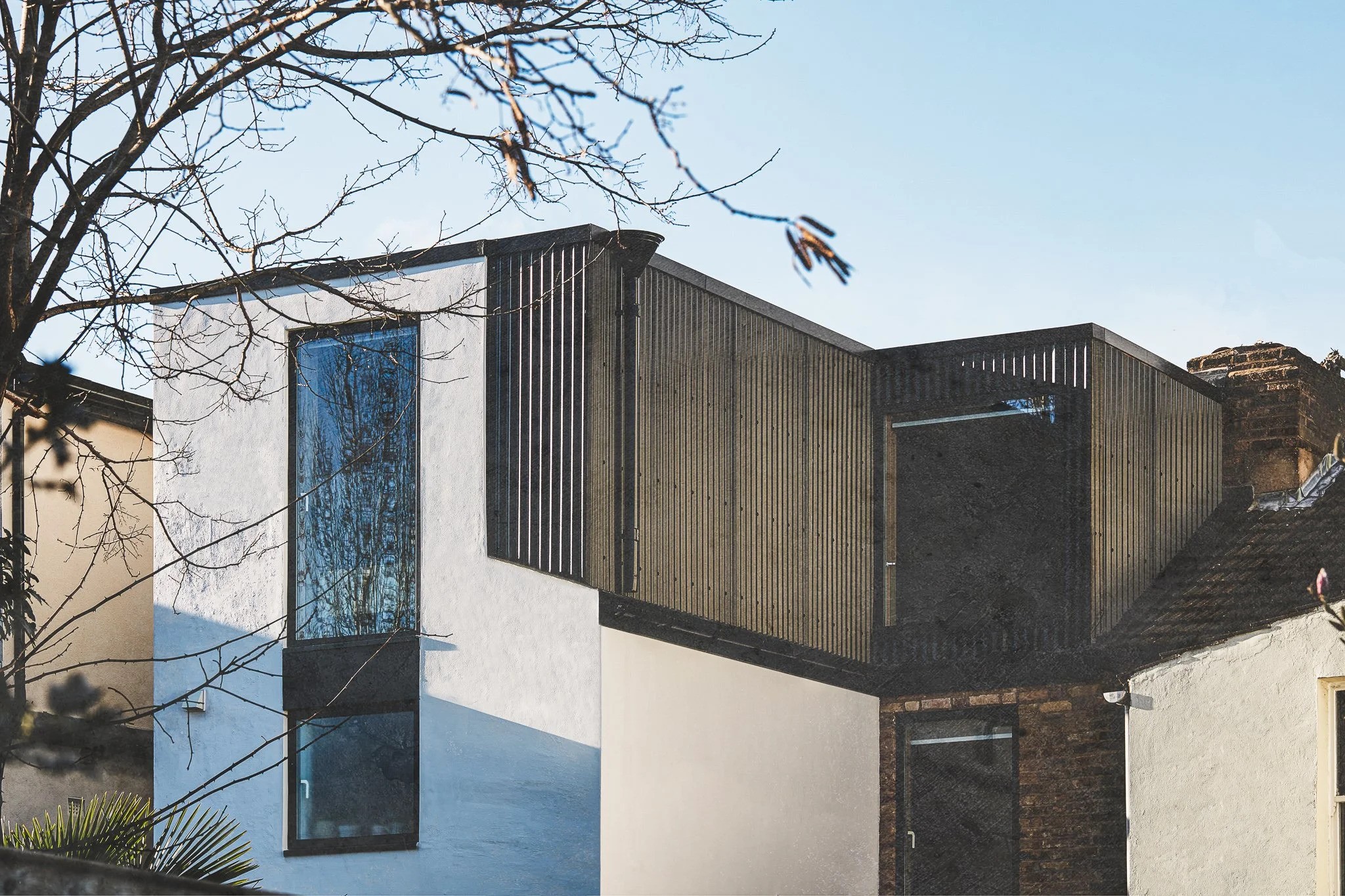
Roof extension and rear dormer in Leytonstone (Rees Architects. Photography: Chris Snook)
In Waltham Forest we are committed to exemplar design quality at all scales. This document provides clear guidance for achieving exemplar design quality throughout the planning process for domestic scale developments. Residential extensions and alterations are small, but they have a big impact on the streetscape, environment, and quality of life of residents and neighbours.
The document also provides guidance on how home alterations can incorporate retrofit measures, whereby existing building fabric is adapted to improve energy performance and reduce utility bills.
Aerial view of an alteration and retrofit project, including interior insulation, upgrading glazing, installing an air source heat pump, solar panels and mechanical ventilation with heat recovery (BradleyVanDerStraeten. Photography: French & Tye)
How the Residential Alterations and Retrofit Supplementary Planning Document aims to help achieve exemplar design (LBWF)
2.1 Altering your home
Maybe you would like to add an additional bedroom to your home for a growing family, or create a home office space. Or, you may want to alter your home internally or externally to account for changing accessibility needs.
Home extensions and alterations can be made in ways that consider family life, local character, the Climate Emergency, energy efficiency and fuel costs. Our aim is to provide clear guidance to make the process of making beneficial home alterations as simple as possible.
Brick single storey rear extension in Walthamstow (Studio Verve. Photography: Romain Forquy)
2.2 High quality design
When making an alteration to your home, using the highest quality design and construction methods possible can help to prolong the lifespan of your home, allowing you and your family to stay there for longer and reducing the need for repairs.
Improving the energy efficiency of your home through the retrofit measures suggested in this document can help to reduce long-term running costs and make your home more comfortable.
Interior of a house extension in Waltham Forest (Benjamin Wilkes. Photography: Chris Wharton)
The aims of this SPD are to:
|
|
- Provide inspiration and guidance to help residents to achieve home alterations of exemplar design quality.
- Ensure residents feel well informed about what alterations are possible and suitable for their home.
- Explain how retrofit measures can be undertaken as part of making home alterations to increase energy efficiency, improve comfort and reduce running costs.
- Ensure residents are informed about any design and planning considerations before embarking on home extensions or alterations.
- Provide simple and clear advice on engaging with the Council to secure planning permission for extensions, alterations and retrofit measures.
- Advise how front and back gardens play a key role in supporting biodiversity and mitigating local flood risk.
|
|
|
Roof extension and rear dormer in Leytonstone (Rees Architects. Photography: Chris Snook)