Transforming our green spaces
Our borough is made up of a tapestry of natural spaces, from the significant landscapes of Epping Forest and the Lee Valley, to the many smaller parks, waterways and green corridors woven through our neighbourhoods. Together, these spaces provide recreational space, and create a network to support the borough’s ecological health and that of our residents.
As Waltham Forest grows, we are planning carefully to protect these valuable natural assets while expanding access to high‑quality green spaces.
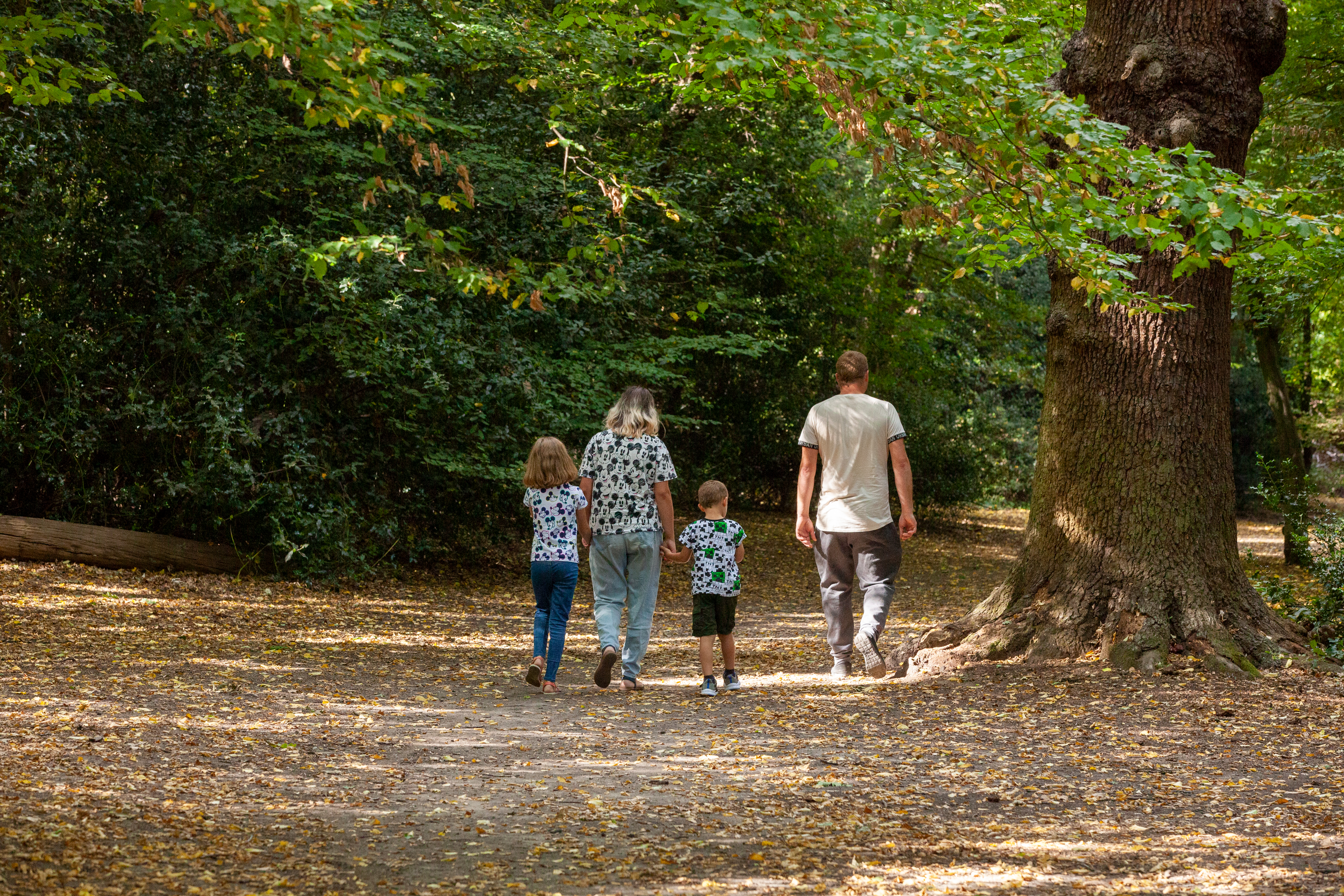 Visitors to Highams Park (Source: LBWF)
What is our strategy?
Epping Forest is designated as a Special Area of Conservation (SAC) due to its rare habitats and species. Increased visitor numbers can place additional strain on this protected landscape, and we have a duty to ensure that development does not cause further harm. We can meet this responsibility and reduce pressure on Epping Forest by investing in other natural spaces throughout the borough, an approach we call the Suitable Alternative Natural Greenspaces (SANGs) strategy.
These natural spaces offer invaluable space for walking, exercise and nature discovery. In addition to supporting our commitment to safeguard the borough’s most sensitive natural environments, the strategy supports the even distribution of high-quality green spaces throughout Waltham Forest.
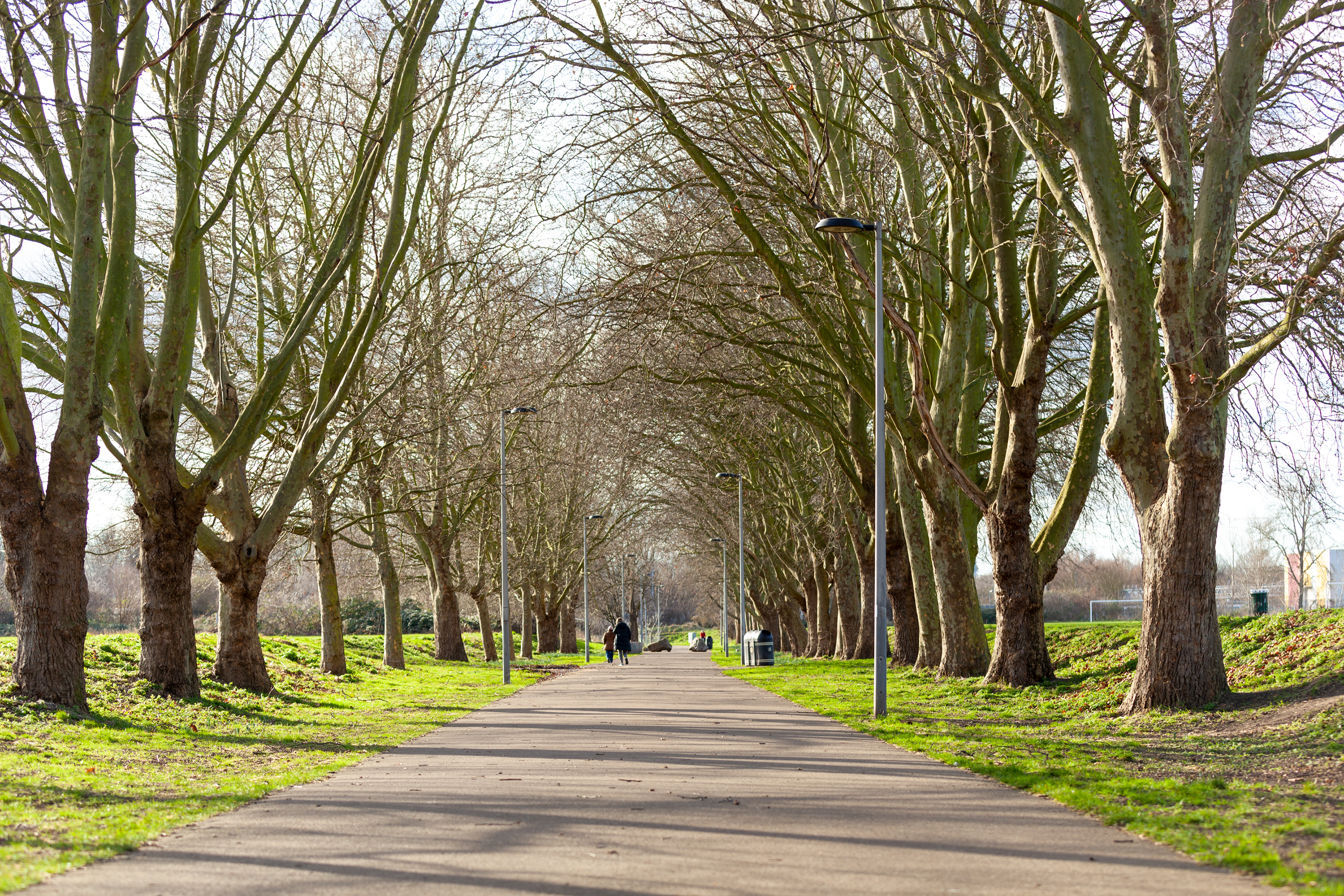 Leyton Jubilee Park in Winter (Source: LBWF)
Natural spaces for all
Waltham Forest is one of London’s most diverse boroughs, with almost 70% of residents identifying as an ethnic group other than White British and a younger‑than‑average population. Our strategies recognise that green spaces must be located, designed and managed in ways that reflect the needs of all communities.
This includes improving accessibility, ensuring people feel safe and welcome and creating spaces that support a wide range of activities and cultural experiences. By taking an inclusive approach, we aim to ensure that every resident can benefit from the borough’s brilliant natural assets.
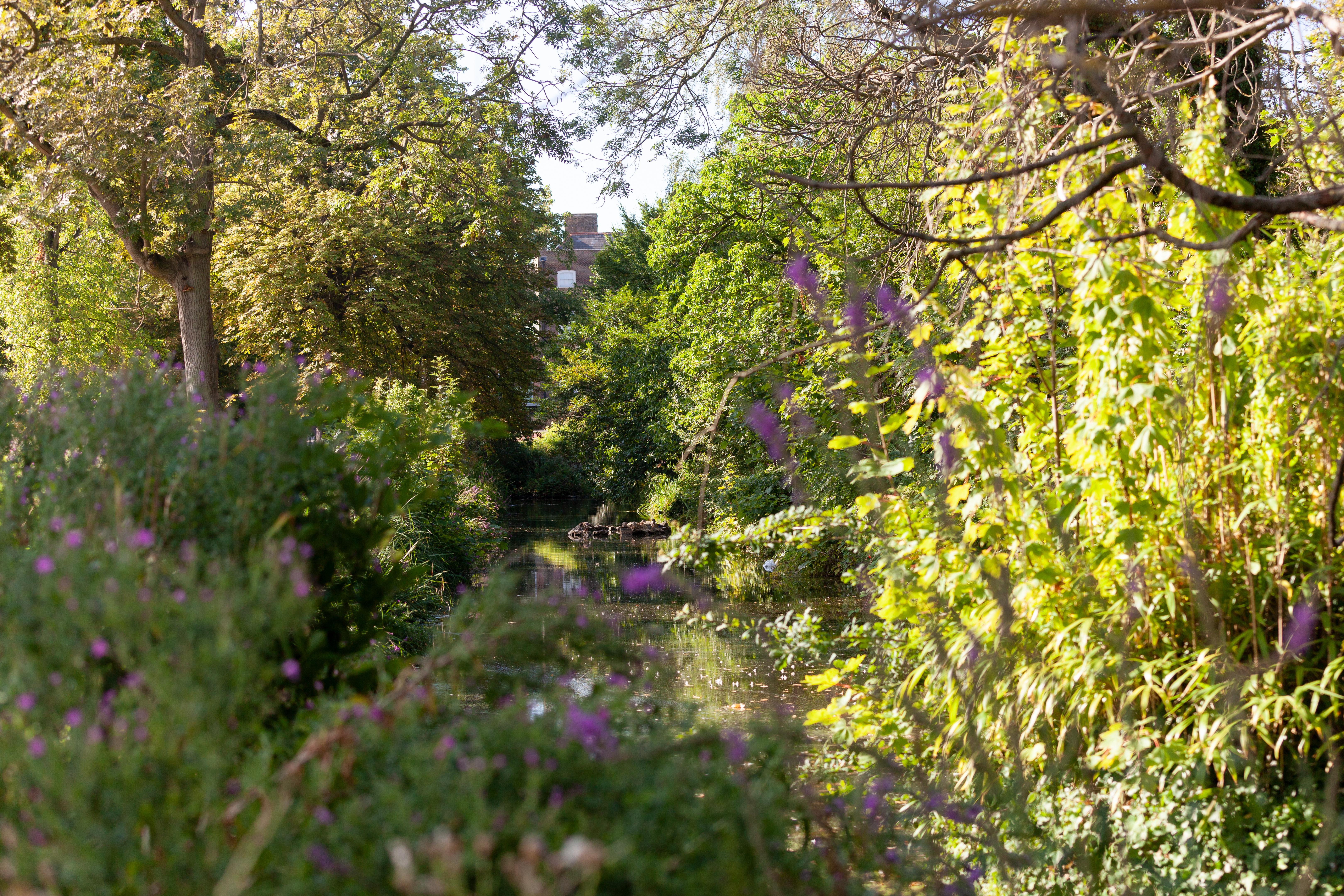 Planting around Lloyd Park pond (Source: LBWF)
Current and planned improvements
Learn about planned improvements to green spaces near you:
You can learn more about current and planned projects by exploring the Green and Blue Infrastructure Maps on the homepage. These maps highlight a wide range of initiatives designed to enhance nature, improve access to green and blue spaces and support biodiversity across Waltham Forest.
Together, these investments form a long‑term strategy to protect our most sensitive landscapes while expanding opportunities for residents to enjoy nature throughout the borough.
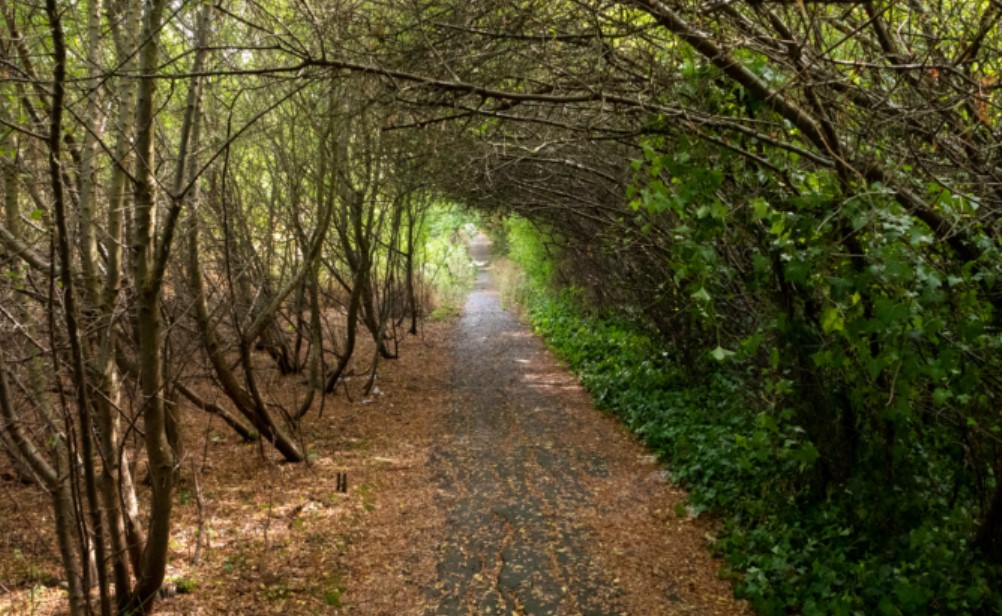 Wooded path in Mansfield Park, in Autumn (Source: LBWF)
Protecting and enhancing existing spaces
Much of our work focuses on strengthening the natural spaces that already exist. Development proposals located within or near natural or semi‑natural green spaces must demonstrate how they will protect and integrate existing biodiversity. This includes:
- Assessing ecological features and submitting findings as part of planning applications,
- Preventing damage during construction,
- Incorporating natural features into new developments, including buffer zones to reduce noise and light pollution,
- Managing access to protect sensitive areas from overuse.
We also encourage enhancements such as expanding habitats, improving green connections between sites and addressing existing issues like traffic, noise or light pollution. These measures help create a more resilient and connected ecological network across the borough.
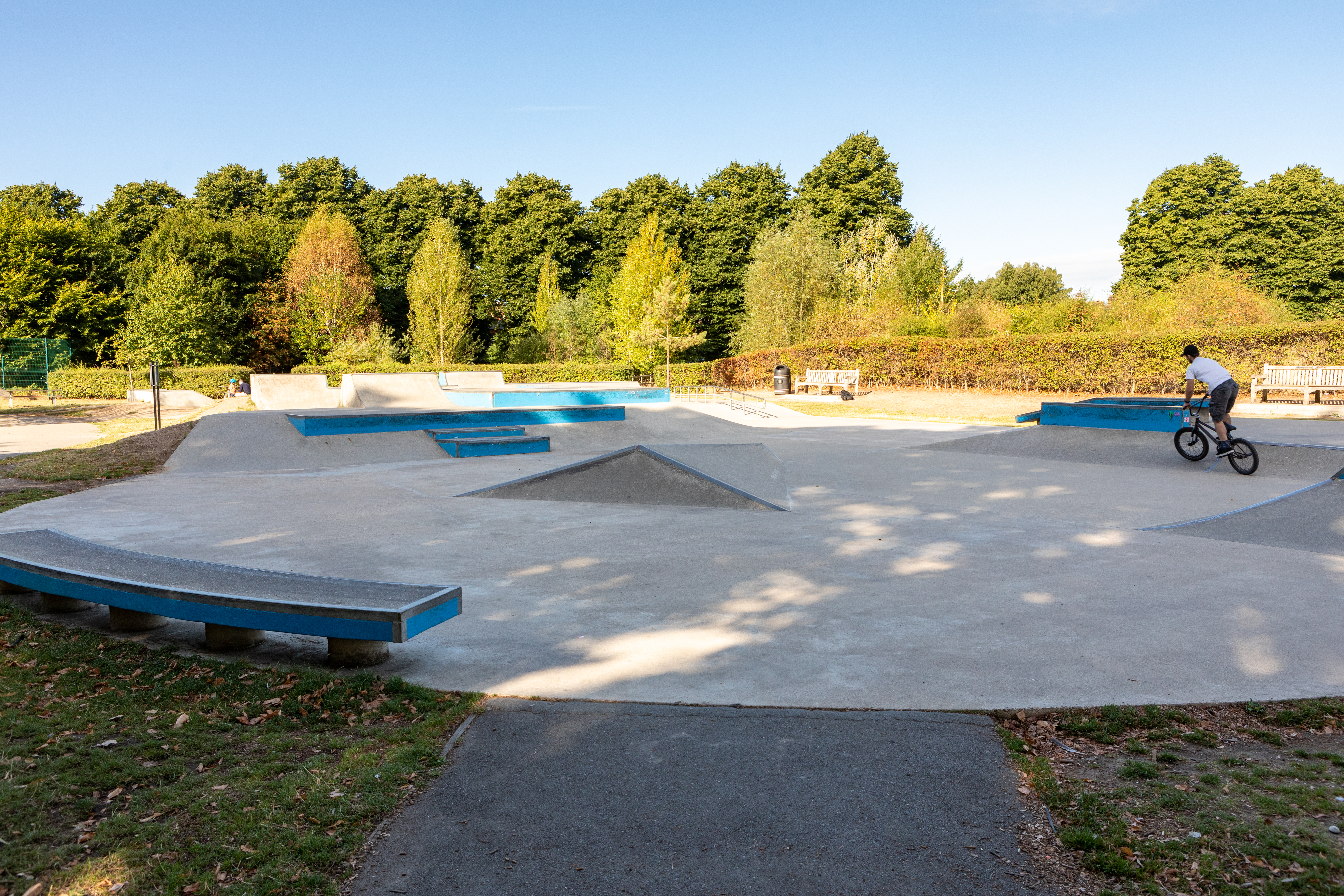 Skate park at Lloyd Park, Walthamstow (Source: LBWF)
Investing in a greener future
Our investment in existing and new natural spaces involves opening up areas that currently lack public access and upgrading parks and green corridors so they become more attractive and accessible.
This planned, inclusive growth is supported by new developments in the borough, and you can read more about developer contributions here. This approach ensures that as the borough grows, so does the quality and accessibility of our natural environment.