Why are urban green spaces important?
If you take a stroll through Waltham Forest, you'll see that our borough is full of small but vibrant green spaces that quietly support the wellbeing of our community and the health of our local environment. These spaces might be modest in size, but together these urban green spaces form one of Waltham Forest’s most valuable assets.
Wellbeing and community benefits of urban greening
From street planters and community gardens to neighbour‑to‑neighbour chats over the fence, gardens help bring people together. Plants and trees brighten our streets, announce the seasons, make neighbourhoods feel more welcoming and contribute to unique character areas across the borough.
Gardens and planted balconies offer a place to relax, grow food, enjoy fresh air and take a break from the pace of daily life. Regular contact with nature has been shown to significantly boost mental health, meaning urban greening plays a key role in supporting the wellbeing of all residents.
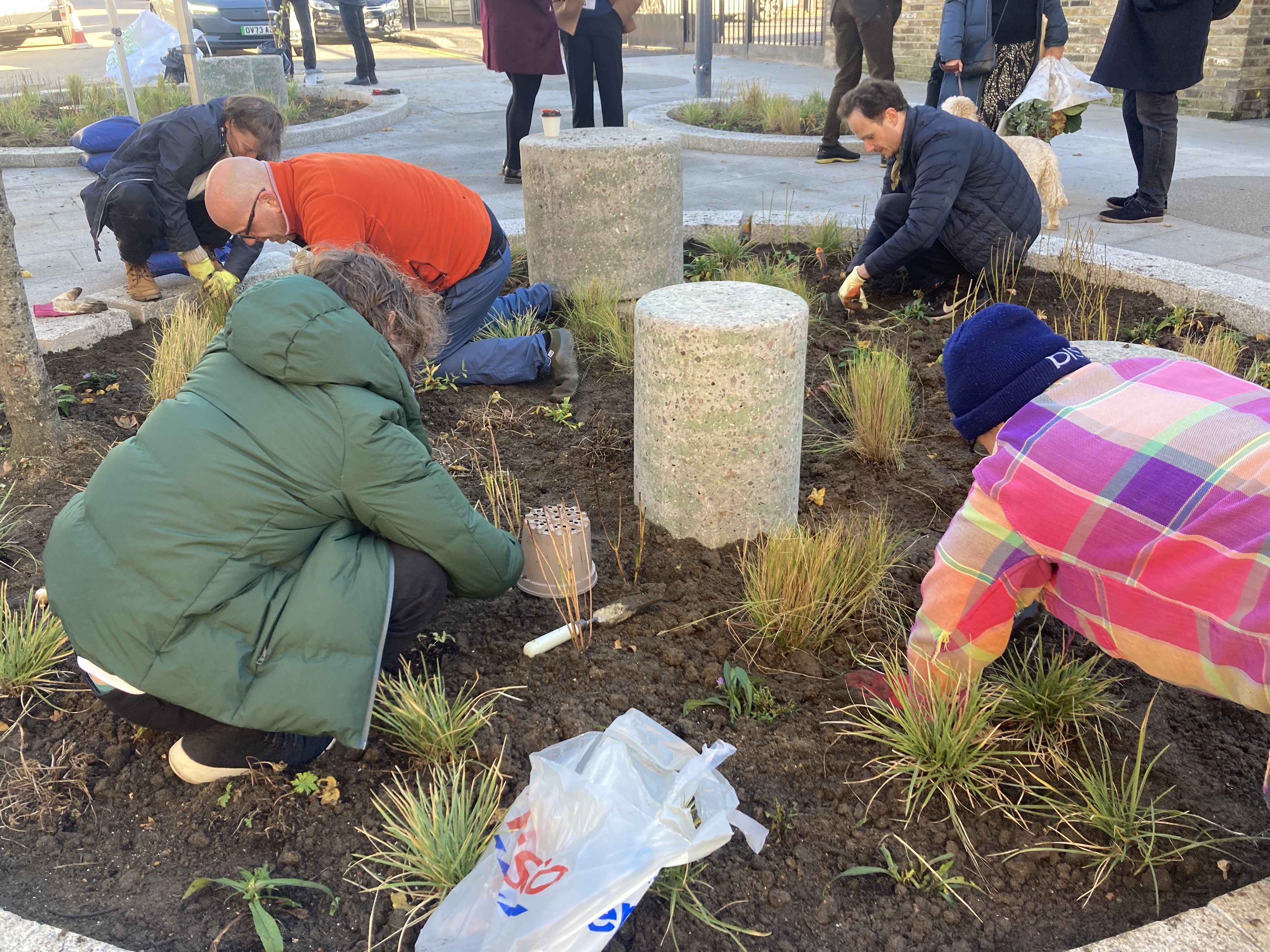 Gardening volunteers at Cairo Road (Source: LBWF)
A home for local wildlife
Larger green spaces like Epping Forest and Walthamstow Wetlands are host to a wide variety of wildlife, but much of the wildlife we enjoy depends on the green spaces right outside our doors. Residential gardens act as stepping‑stones for birds, bees, butterflies, hedgehogs and other species moving through the area.
Every flowering plant, patch of unmown lawn or small tree contributes to a wider network of habitats. When combined, our gardens create a rich mosaic of biodiversity that helps keep urban nature thriving. Learn more about how you can support wildlife in your garden here.
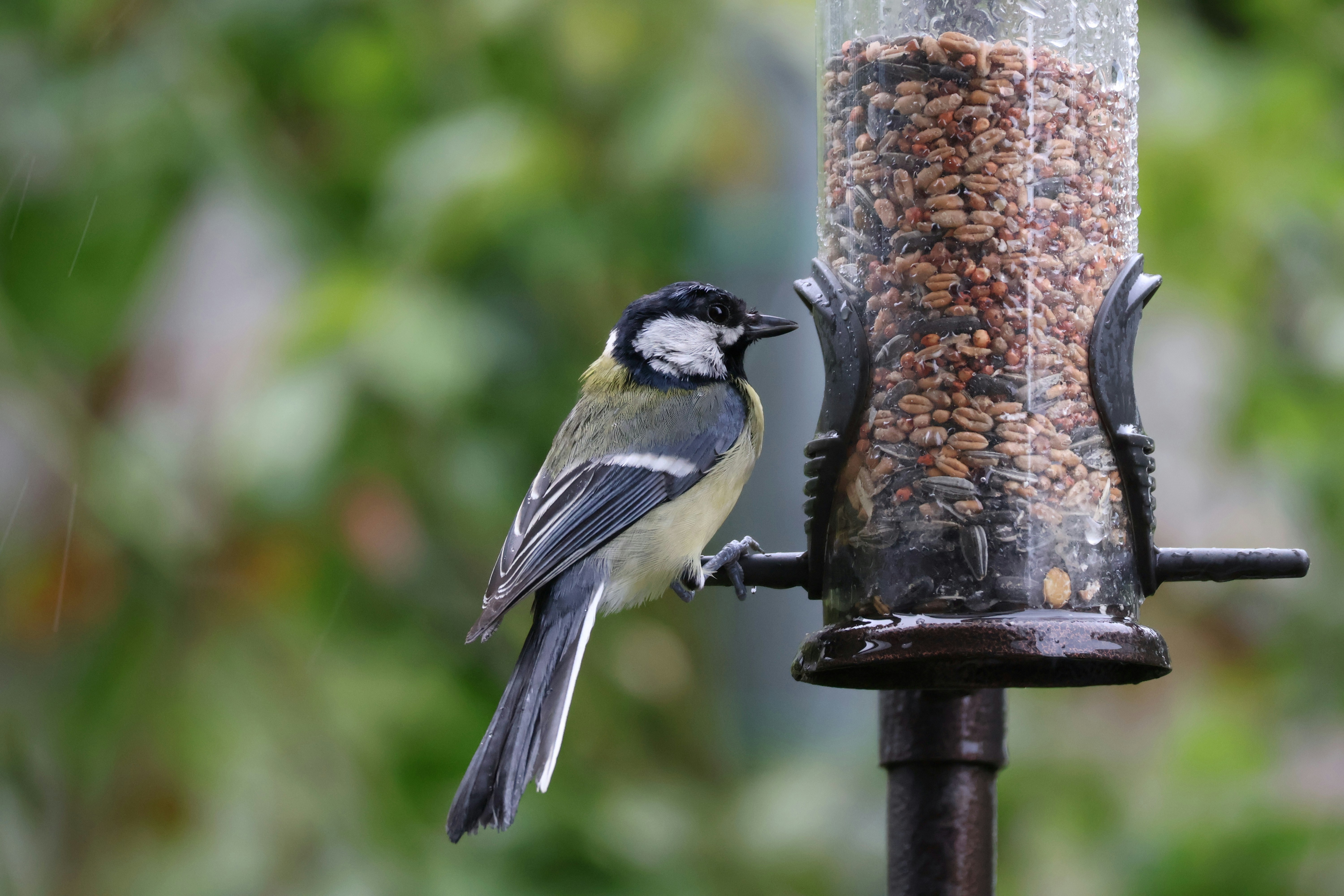 Bird baths, feeders and houses help to support birdlife in urban green spaces (Source: Unsplash)
Environmental benefits of urban greening
Urban greening helps to improve air and water quality, reduces urban overheating and helps to manage flood risk. By making small changes in your garden, like reducing areas of hardstanding and increasing planting, you can help to make Waltham Forest more resilient, sustainable, and livable.
Improved air quality
Plants and trees filter pollutants and particulate matter, which can contribute to respiratory problems, and release oxygen. This is particularly important in London due to higher pollution levels.
Reduces Urban Heat Island (UHI) effect
Urban heat island effect is the phenomenon where metropolitan areas become warmer than surrounding rural areas, as heat is generated through human activities and hard surfaces trap this heat. Reducing the area of hard surfacing in your garden and adding planting are key ways to counteract urban heat island effect.
Manages flood risk
Hardstanding contributes to flash flooding by preventing water from filtering back into the ground. Green spaces provide permeable surfaces to absorb and slow the movement of rainwater, reducing flood risk.
To mitigate this, residents should keep paving to a minimum, use permeable materials and maximise rainwater-absorbing plants. Residents are advised to retain at least 75% of their garden as green space. For further guidance, refer to this page of the Residential Alterations and Retrofit Supplementary Planning Document (SPD).
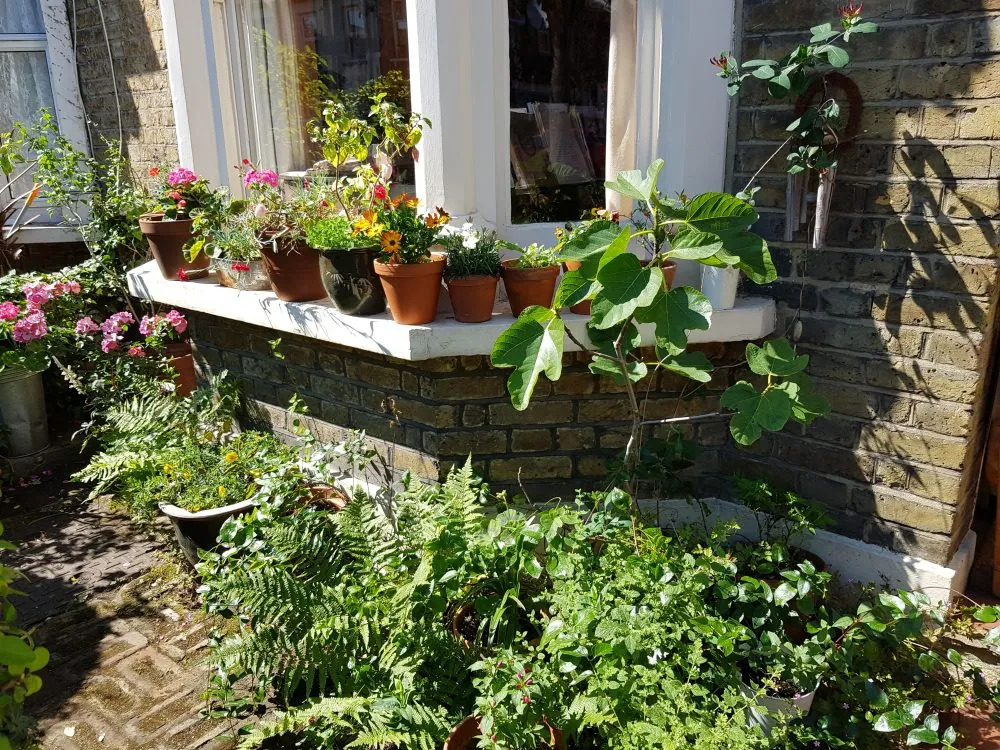 Planted front garden in Walthamstow (Source: Waltham Forest Echo)
Helping Waltham Forest adapt to a changing climate
London is experiencing hotter summers and heavier rainfall, and Waltham Forest is no exception. Gardens play a vital role in helping our neighbourhoods cope, by helping to cool the air, reducing flood risk by absorbing rainwater, and improving local air quality.
Even a small planted garden can make a meaningful difference to the comfort and resilience of our streets. By planting trees, using permeable ground surfaces or choosing climate-resilient plants, you can make a real contribution to a greener, healthier Waltham Forest.
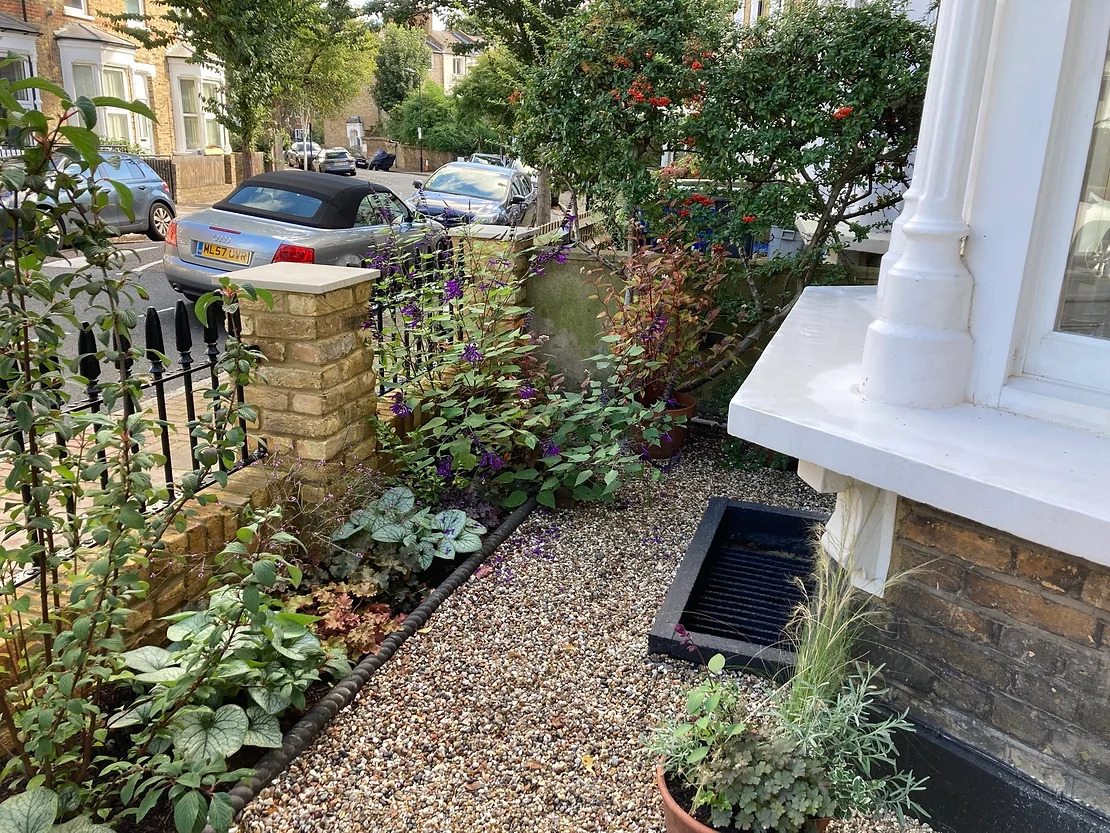 Using permeable surfaces alongside planting helps to slow the movement of rainwater, reducing flood risk (Source: Sarah Kay Garden Design)
Individually, a single garden might seem small. But together, our borough’s green spaces form a powerful network that supports wildlife, protects against climate impacts and strengthens our communities.